
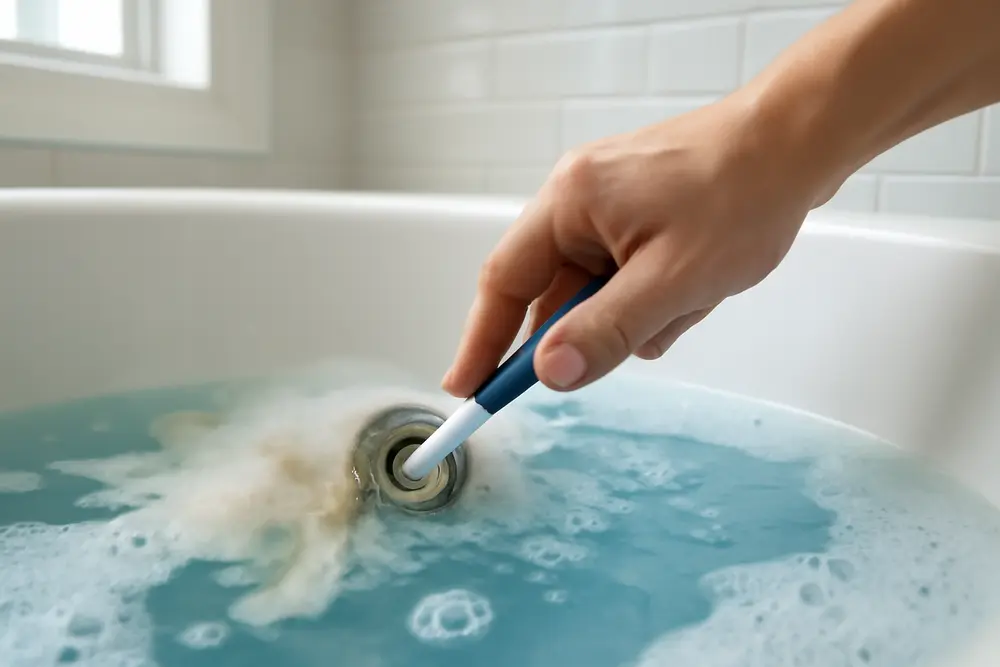
Here is the hard truth about that luxury jetted soak: if you have not cleaned the hidden plumbing, you have probably been marinating in a microbe latte. Jetted tubs and whirlpools hold water in their lines between baths, which means biofilm and mold set up shop in places your regular bathroom scrub never sees. When you hit the On button, the jets turn that crud into aerosol and launch it straight into the air you breathe. As the mold inspection folks who get called after the coughs, rashes, and mystery black flecks show up, we are handing you the playbook for real jetted tub biofilm removal and whirlpool tub sanitation that works without wrecking your tub.
The Gross Truth Hiding In Your Jets
Biofilm is a sticky fortress microbes build to survive. Think of it as the Airbnb for bacteria, fungi, and mold, complete with a slime shield called EPS that resists many cleaners. Jetted tubs are perfect for biofilm because the plumbing does not drain fully, especially around low spots and check valves. Warm water, soap scum, body oils, and minerals harden into scale that biofilm clings to, then the party never ends. When you run the jets, that buildup sheds into the water as black or brown flecks and also gets atomized into fine mist that can carry bacteria like Pseudomonas and other opportunists. If your tub smells swampy or your bubble bath looks like a pepper grinder exploded, this is not a vibes problem. It is a sanitation problem with real indoor air consequences.
Why Surface Scrubbing Fails
Wiping the tub shell until it shines is basically putting lipstick on a plumbing snake. The real action is inside the piping and jet housings. Biofilm bonds with mineral scale, which means straight disinfectant often hits a wall. Chlorine bleach can bleach the top layer while the inner layers shrug and carry on. Worse, strong chlorine can damage rubber gaskets and some metals in older tubs. Straight vinegar helps with soap scum, but it is a weak chelant against the harder mineral crusts that protect biofilm. Translation: you need a two-step approach that loosens the mineral scaffolding first, then oxidizes the gunk so it actually leaves the building.
Jetted Tub Biofilm Removal Protocol
This two-phase flush is safe for most acrylic and plumbing when used as directed. Always check your tub manual first and keep the bathroom well ventilated. Do not mix cleaners, and never use bleach with acids. If the tub has not been cleaned in months, expect plenty of foam and debris in round one.
-
Prep The Tub. Remove any pillows and detachable jet nozzles if your model allows it. Rinse visible grime off the shell. Close the air intake if adjustable so you primarily circulate water. Fill with hot tap water to 2 to 3 inches above the highest jet. Keep water under 120 degrees Fahrenheit so you do not cook seals or your skin.
-
Phase 1 – Citric Acid Flush. Add 1 to 2 cups of food-grade citric acid crystals and stir until fully dissolved. Citric acid chelates minerals and loosens the crud biofilm uses as scaffolding. If you have very hard water, lean toward the higher end. Run the jets 10 to 15 minutes. If your system has an air blower, keep it off for this phase unless the manufacturer directs otherwise. Let it soak 20 to 30 minutes with jets off, then run the jets another 5 minutes. Skim any floating debris with a paper towel. Drain fully.
-
Rinse Fill. Refill with warm water above the jets and run 5 minutes to rinse loosened residue. Drain.
-
Phase 2 – Hydrogen Peroxide Oxidation. Refill hot water above the jets. Add 2 to 4 cups of 3 percent hydrogen peroxide. This stage oxidizes organic film and helps sanitize surfaces the acid exposed. Run the jets 10 to 15 minutes. Let sit another 20 minutes, then run 5 minutes more. Expect some foam. Drain.
-
Final Rinse. Fill with warm water and run 5 to 10 minutes to flush any remaining cleaner. Drain and wipe the tub shell. If your model has a blower-dry or purge function, run it per the manual to push moisture out of air lines. If there is no purge feature, run the blower for 1 to 2 minutes after draining to help dry lines, but confirm your manufacturer allows dry running.
-
Repeat If Needed. If you still see dark specks, slime strings, or heavy foam, repeat the two-phase cycle. Long-neglected tubs can take two to three rounds to settle down.
Use this approach as your baseline for jetted tub biofilm removal. It is the same principle we use in wet-zone mold work: break the shield, then neutralize the microbes, then rinse like you mean it. If you prefer a commercial product, choose a manufacturer-approved plumbing purge cleaner designed for whirlpools and follow the label. Skip scented bubble bath cleaners that smell nice but leave biofilm untouched.
Cleaners That Actually Work
You have three sane lanes for whirlpool tub sanitation. First, the citric acid plus hydrogen peroxide method laid out above is effective and friendly to most tub surfaces. Second, a commercial whirlpool plumbing purge that specifically targets biofilm is fine when used per label. Third, hydrogen peroxide alone can be used for monthly quick maintenance flushes when the tub is already clean. For shell cleaning between soaks, a mild detergent or diluted white vinegar works for soap scum on acrylic. For disinfecting the shell after a deep purge, a 3 to 6 percent hydrogen peroxide wipe-down is reasonable. Always rinse well and keep fragrances to a minimum so you are not marinating in perfume and microbe food.
What To Avoid
Undiluted bleach is a hard pass for most jetted plumbing. It is harsh on gaskets, it produces fumes in small bathrooms, and it does a pretty mediocre job against mature biofilm. Mixing bleach with any acid, including vinegar or citric acid, creates chlorine gas, which is a fast trip to a story you never want to tell. Abrasive powders can scratch acrylic and create new biofilm hangouts. Essential oils and oily cleaners coat plumbing, feed microbes, and clog air lines. Enzyme-only products are hit or miss against built biofilm, so if you love them, use them after the mineral-chelating and oxidizing steps, not instead of them. Any product that the tub manufacturer bans is out.
Prevention Habits That Stick
Biofilm loves neglect, so your job is to be gloriously high maintenance. Do a light maintenance flush monthly if the tub is used weekly, or every 6 to 8 weeks if it is more of a treat. If it sits unused for a month, run the jets with clean warm water for 5 to 10 minutes to move out stagnant water, then drain fully. After each bath, give the shell a quick rinse and squeegee, then crack a window or run the exhaust fan for at least 30 minutes. Keep bathroom humidity below 60 percent and aim for 50 to 55 percent when possible. A hygrometer costs less than your last bath bomb and actually does something. If the room runs humid, install a real exhaust fan sized for the space and consider a dehumidifier in tight or windowless bathrooms. Our indoor pool and sauna guidance applies here too, since a bathroom with a whirlpool is basically a tiny spa. We cover humidity targets and cleaning rhythms in our wet-zone article at Indoor Pool Mold Control and Sauna Mold Control.
Every quarter, remove and clean jet nozzles if your model allows it. Soak them in warm water with a spoonful of citric acid, then rinse and reinstall. Inspect caulk lines around the tub deck and surround. If you see pink slime or dark stains at the edges, you are catching early biofilm and mold, not fine marble veining. Address it fast and do not be shy about re-caulking if the bead is compromised.
Bathroom Air And Aerosols
Whirlpool jets do not just move water. They throw a microscopic party in the air. What you smell as musty, earthy, or swampy after a soak is airborne evidence of your plumbing microbiome. If you run the jets before you have done a proper purge, you are misting the room with whatever lives in those lines. Ventilation is your wingman. Run the exhaust fan during the soak and for 30 minutes after. Leave the bathroom door open once you are done to speed drying. If your fan is loud enough to wake the neighbors, it is probably too small or too old to move air well. Consider upgrading to a high CFM, low sone fan with a timer so it runs long enough without you babysitting the switch. Aim to hold the room under 60 percent relative humidity per EPA guidance. We hammer these basics in our moisture control tips for second homes at Mold Prevention Tips for Vacation Homes, and they translate perfectly to every bathroom with a tub that bubbles.
When To Call A Pro
If you have done two full two-phase purges and still get black flecks, slime strings, or stubborn odor, there is either a long-standing biofilm problem in rigid plumbing or there is hidden mold beyond the tub. Older systems with corrugated or rough interior piping are notorious biofilm farms. If anyone in the home has asthma, COPD, or is immunocompromised, do not wrestle with weeks of trial and error. If you see mold staining on drywall, behind the tub access panel, or under the deck, that is past a DIY scrub. We can scope, sample if needed, and design a remediation plan that treats the bathroom like the mini spa it wants to be without turning your house into a science fair.
FAQ
How Often Should I Do A Full Purge?
Monthly if you use the tub weekly. Every 6 to 8 weeks for occasional use. If the tub sat for a month or more, run a plain water circulation for 5 to 10 minutes before your next soak, then schedule a full purge that week.
Can I Use Vinegar Instead Of Citric Acid?
Vinegar helps with soap scum on the shell, but citric acid outperforms it inside the plumbing because it chelates mineral scale better. If vinegar is all you have, it is better than nothing, but you may need more cycles to get the same result.
Is Bleach Ever OK For Whirlpool Tub Sanitation?
We do not recommend it for jetted plumbing. It is tough on gaskets and metals, it struggles with mature biofilm, and the fumes are not bathroom friendly. Use the citric acid plus hydrogen peroxide combo or a manufacturer-approved purge cleaner instead.
How Do I Know The Biofilm Is Gone?
The water runs clear when you circulate, there is no musty odor, and you are not seeing black flecks around jets or floating debris. If the first purge was dramatic, expect the second to be less so. By the third, you should be in the clear if the system is healthy.
Can I Run The Blower Dry After Draining?
Some tubs include a purge-dry cycle that is designed for this. If yours has it, use it. If it does not, most manufacturers allow a brief 1 to 2 minute blower run to push moisture out, but check your manual first. Never run water pumps dry.
What Water Temperature Works Best?
Hot tap water under 120 degrees Fahrenheit improves cleaner performance without punishing seals. Save the near-boiling experiments for tea, not plumbing.
Why Does My Bathroom Still Smell Musty After Cleaning?
If the plumbing is clean but humidity is high, you will still get musty air. Increase exhaust fan runtime, crack a window, and track the room with a hygrometer. Keep it under 60 percent RH, and closer to 50 to 55 percent when you can.
A Simple Routine That Actually Works
Your goal is a tub that is ready to go any day without the microbial extras. Stick a small container of citric acid in the vanity. Keep a bottle of 3 percent hydrogen peroxide in the cabinet. After your first deep clean, put a monthly reminder on your calendar. Rinse the shell after every soak, run the fan longer than you think you need, and glance behind the access panel twice a year for early leaks or mold. That is whirlpool tub sanitation that earns its keep. If your tub still behaves like a biology class, we are happy to play lab coach instead of cleanup crew.