
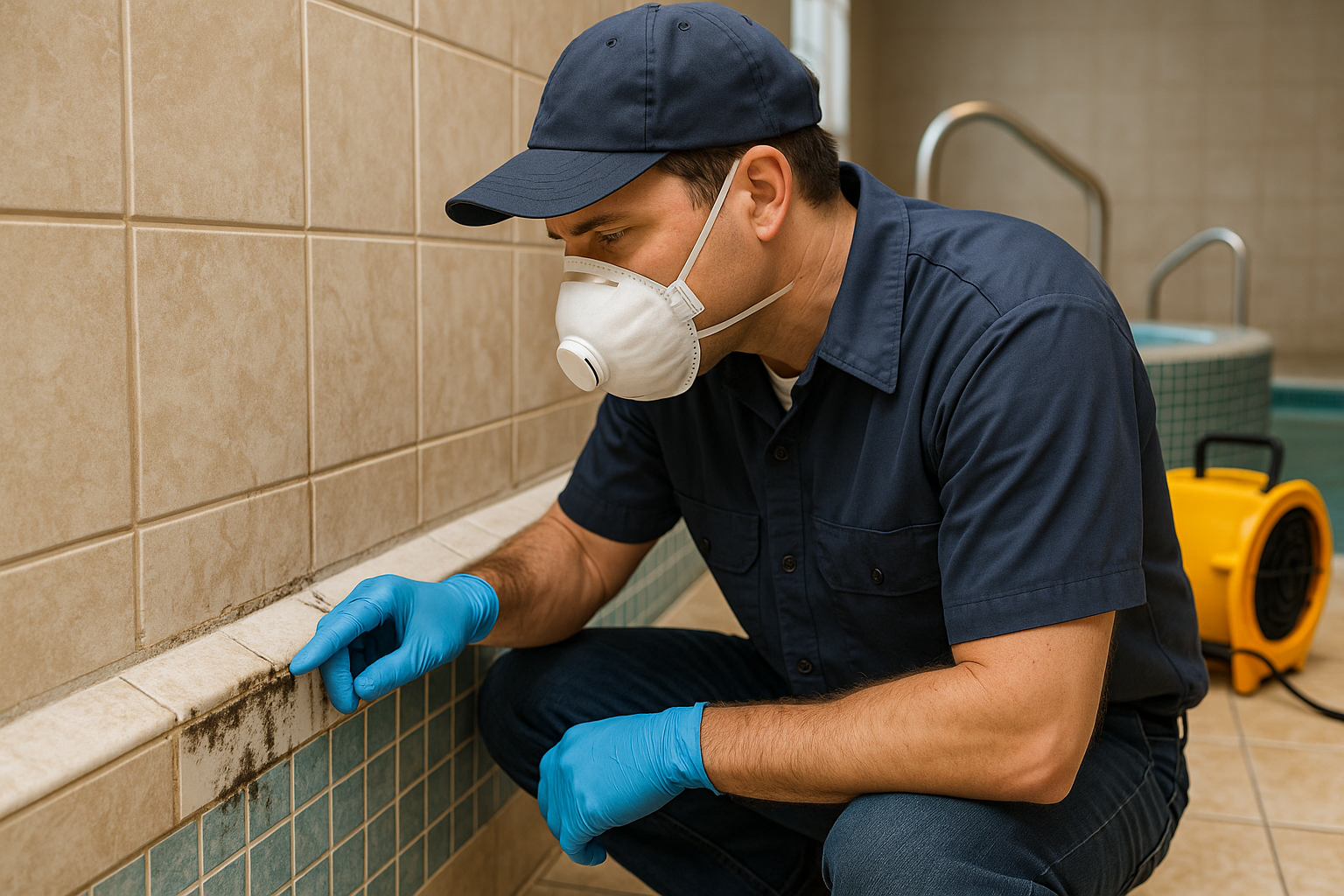
If you have an indoor pool, spa, hot tub, or sauna, you have a moisture factory with an attitude. Mold loves warm water, chloramine fog, and thirsty drywall. I own a mold remediation and inspection company, so I have seen every flavor of fuzzy surprise hiding behind pool liners and sauna benches. This guide brings indoor pool mold control and sauna mold control down to earth with practical steps that owners and facility managers can use today. We will talk humidity targets, ventilation tricks, cleaning schedules that actually stick, safe cleaners that do not gas you out, early warning signs, plus when it is time to call in a pro with containment and verification. If you want a broader prevention playbook for the rest of your building, take a look at our take on how to get rid of mold indoors for background and a prevention checklist.
Moisture control is the key to mold control. If wet or damp materials are dried within 24 to 48 hours, in most cases mold will not grow.
Why wet zones grow mold fast
Indoor pools, spas, hot tubs, and saunas push humidity to the ceiling. Warm water evaporates into the room air. Surfaces that are cooler than the room air collect condensation. That thin film is a buffet for mold spores. Add porous materials like unsealed grout or untreated wood and you have a growth party. For a deeper look at moisture physics inside buildings, my primer on the causes of mold and humidity triggers breaks down the usual suspects like poor ventilation, damp materials, and hidden leaks.
Why does this matter so much in wet zones. Normal living rooms hover near comfortable humidity. Pool rooms do not. Even if you set a thermostat correctly, evaporation from the pool surface continues all day. Hot tubs and spas boil off vapor faster. Saunas produce burst moisture from users and water thrown on rocks that then migrates into cooler adjacent rooms. Without active natatorium humidity control, moisture moves into wall cavities and above ceilings. The result can be mold, corrosion, and damaged finishes.
Materials play a big role. Unsealed grout wicks water. Paper faced drywall turns into a mold snack under high humidity. Even tile can become a problem if the grout is cracked. Sauna benches must use correct wood species and stay dry between sessions. Any towel pile left in a corner turns into a humidifier. These environments need predictable ventilation, fast drying of wet materials, and finishes that do not hold water.
Let me say this plainly. Prevent mold in indoor pool spaces by controlling moisture at the source, holding humidity within target ranges, and using finishes that will not feed the problem. If you want a simple checklist you can run every season, grab our mold-prevention cleaning checklist and adapt it for your pool, spa, and sauna areas.
Natatorium humidity and HVAC
Hotels, gyms, municipal facilities, and private residences with indoor pools all wrestle with the same physics. The right HVAC strategy keeps the room comfortable while knocking moisture back to a safe level. Room air should usually be slightly warmer than the water to slow evaporation spikes. Air should sweep across the water surface and over cold walls or windows to prevent condensation. Exhaust should target the wettest zones like whirlpools. Slight negative pressure keeps chemical odors and moisture from creeping into hallways and guest rooms.
Indoor natatoriums are typically managed around 50 to 60 percent relative humidity. Sustained RH above 60 percent greatly increases the risk of mold and structural damage, so dedicated dehumidification and HVAC strategies are recommended.
ASHRAE natatorium humidity and HVAC guidance and the EnergyPlus indoor swimming pool reference
For indoor pool rooms, use a dedicated dehumidification system and provide four to six air changes per hour with more if spectator areas are present and locate exhaust directly above whirlpools or spas to capture the most moisture laden air.
Natatorium dehumidification best practices plus Seresco design guidance
Those targets keep room air from hitting dew point on windows and corners. They also protect structure and finishes. ACH targets control contaminant buildup. Negative pressure keeps the rest of the building fresh. Exhaust above the whirlpool catches the densest plume of warm wet air where it starts. Supply air should wash glass and cold surfaces to keep them a touch warmer than dew point. Good natatorium humidity control is not only about comfort. It is mold insurance.
Facility managers, add routine checks for humidity, differential pressure, and exhaust performance to your logs. If you are constantly fighting window condensation or a musty odor in the morning, there is a control problem. A dedicated natatorium unit may be required. When in doubt, ask for a commissioning visit from your HVAC contractor to confirm air change rates, set points, and damper positions match the targets above.
Sauna mold control that works
Saunas do not get a free pass just because they feel hot and dry in the moment. Steam, sweat, and splash water add a lot of moisture. The wrong ventilation strategy keeps that moisture inside the room and in adjacent spaces. Intake should sit low near the heater. Exhaust should sit high on the opposite wall. That path pulls fresh air across bathers and lifts moisture out of the room. After a session, move from sweat lodge to drying chamber by ventilating aggressively and removing damp items.
Sauna mold prevention relies on ventilation plus aggressive post use drying. Leave doors open 30 to 60 minutes, remove damp towels immediately, wipe benches to stop retained moisture from promoting fungal growth.
Daily habits matter more than fancy gadgets in a sauna. Open the door after use. Run the fan. Stand up benches on edge if your model allows it so air can hit every surface. Keep a soft brush and dedicated microfiber towel on a hook inside the changing area for a quick bench wipe. Pull floor mats to a drying rack. These small moves double as sauna moisture prevention.
Weekly, treat grout lines on adjacent shower areas and drains. Check for darkening between boards where water might be sitting. If you see recurring shadows or smell a musty note, do not ignore it. That is the moment to act before it becomes a tear out. If you want to dial in household routines across the whole home, my mold-prevention cleaning checklist has a simple structure you can adapt to a hot room schedule.
Materials that resist mold
Indoor pool rooms and saunas thrive when surfaces shed water. Choose glazed tile or stone with high quality sealed grout rather than porous materials. Use cement board behind tile instead of paper faced drywall. Select closed cell insulation and vapor retarder assemblies that match natatorium design guidance. Keep any exposed metal protected against corrosion. Carpets do not belong in pool rooms. They hold moisture and feed odor issues. If you must have rugs near a sauna or hot tub, they should be removable and washable. Hang them to dry after each session.
Sauna benches demand correct wood. Many builders use dense, kiln dried species that stay comfortable to the touch. Even with good wood, ventilation gaps under benches are key. That allows air to sweep through and dry the undersides. Do not trap bench frames tight to walls. Air needs a path. Place hooks and cubbies outside the sauna door so towels and robes do not pile up inside. If you are not sure about material choices in adjacent rooms, check our overview on how to get rid of mold indoors. It covers materials that resist moisture and steps to prevent mold from coming back.
Surface temperature also matters. In pool rooms, distribute supply air along exterior glass to keep it warmer than the dew point. That trick reduces condensation streaks that feed mold at window sills and corners. For facility managers, that also protects sealants and extends repaint cycles. You will thank yourself during budget season.
Cleaning schedules that work
You do not need a white glove inspector. You need a simple rhythm that staff or family can actually follow. Indoor pool mold control is a cleaning habit plus targeted ventilation plus fast drying. Same idea for sauna mold control. Build a short routine for after each use. Add deeper tasks weekly and monthly. For larger sites like hotels or gyms, add shift checks and monthly mechanical checks. Use the tables below as a starting point for your hot tub mold cleaning schedule and pool room routines. Then print them and stick them by the back door. For a seasonal deep clean across the whole property, our mold-prevention cleaning checklist makes a great companion.
| Timing | Tasks |
|---|---|
| After each use | Open sauna door for drying. Run exhaust or dehumidifier. Squeegee pool deck and shower walls. Remove damp towels and mats. Wipe benches and handrails. |
| Daily | Check hygrometer. Target below 60 percent RH in adjacent rooms. Empty small drip pans. Visually inspect corners and window sills for condensation or darkening. |
| Weekly | Scrub grout, drains, and skimmer areas. Clean glass where condensation collects. Verify exhaust fan operation. Check door gaskets and sweeps. |
| Monthly | Clean dehumidifier coils and pans per manufacturer instructions. Inspect for any swelling at baseboards or bench supports. Verify pool water balance so off gassing does not spike. |
| As needed | If you see visible mold or smell a persistent musty odor, schedule a check. Use our guide on when it is time for a professional mold inspection. |
| Timing | Tasks |
|---|---|
| Each shift | Log humidity and temperature. Walk perimeters and ceiling junctions. Pull and launder damp textiles. Mop wet deck and wipe railings. |
| Daily | Confirm dehumidification is running on schedule. Inspect and clear trench drains. Empty and clean any condensate cups. Check whirlpool exhaust performance. |
| Weekly | Deep clean grout and drain covers. Check HVAC filters at pool unit. Verify door closers and seals maintain slight negative pressure to adjacent corridors. |
| Monthly | Open and clean dehumidifier pans and lines. Inspect for corrosion at fasteners and structural members. Document any repeat condensation spots for follow up. |
| Quarterly or annual | Schedule full natatorium HVAC service. Rebalance if needed. If any musty odor or visible growth persists, bring in a certified inspector for moisture mapping and plan next steps with the IICRC S520 professional mold remediation standard as the playbook. |
Consistent logs help you spot trends. If your RH numbers creep over target in the evening, maybe the exhaust schedule needs a tweak. If mildew always returns on the same wall, you likely have either a cold surface problem or hidden moisture. I wrote about that pattern in mold keeps coming back where the real fix is to correct the moisture source, not just the stain.
Safe cleaners for wet areas
You do not need a hazmat suit to clean a shower corner. Choose cleaners that work on your surface and match the task. Many non porous surfaces respond well to vinegar or hydrogen peroxide, especially with a little elbow grease. For grout, a paste of baking soda and a gentle brush can lift residue. Sauna benches need a light touch. Skip harsh chemicals that might damage wood or pump fumes into a small hot room. For surface safe DIY recipes with doses and cautions, bookmark our guide to natural mold removal techniques.
Bleach looks tempting because it nukes color fast. It also brings strong fumes and does not penetrate porous materials well. That means the surface looks better but the root colony can remain under the top layer. If you keep reaching for the jug and the spot keeps coming back, you are treating a symptom. For a deeper comparison see vinegar vs bleach for mold which breaks down when each cleaner makes sense.
Whatever cleaner you choose, rinse well, dry fast, and ventilate. Cleaning without drying is like brushing your teeth while eating candy. You end up sticky again five minutes later.
Early warning signs
Your nose is a pretty good instrument. Musty odor after opening the pool room in the morning suggests overnight humidity or damp materials. Darkening along ceiling corners hints at condensation. Streaks on window frames show temperature and moisture issues. If you see ghost patterns on drywall in adjacent rooms, the pool room might be leaking vapor into the envelope. If guests cough or complain after sitting near the whirlpool, check exhaust above the spa and your chloramine control. Persistent condensation on glass or metal is a quiet alarm. Repeat growth in the same spot is an even louder one.
When in doubt, get a second set of eyes. Our guide to the time for a professional mold inspection explains the signs and the tools we use like thermal imaging and moisture meters. The EPA also explains why relative humidity targets matter for health and materials. Their advice on drying wet materials quickly lines up with what we see in the field. For context on humidity and condensation, review the EPA guidance on moisture and mold prevention.
When to call a pro
There is a point where a scrub brush is not enough. Large areas of visible mold. Growth inside ductwork or air handlers. Odor that returns within days after cleaning. Water intrusion that reached walls, ceilings, or insulation. Health symptoms reported by occupants. Those situations move beyond routine cleanup.
When mold is persistent, widespread, or located in HVAC systems or concealed building assemblies, follow industry standards such as ANSI IICRC S520 and engage a certified remediation professional for testing, containment, and verification.
Professional remediation brings containment to keep spores from spreading. Negative air machines filter the workspace. Porous materials that cannot be cleaned are removed. HVAC components get special treatment because contamination there re seeds rooms every time the fan kicks on. Documentation and post remediation verification confirm the space is truly clean. If you need help deciding fast, book an inspection with our team. We will tell you if you can tackle it in house or if professional remediation is the smarter path. Set that up through the time for a professional mold inspection page.
Quick checklists and downloads
Managers love simple tools that keep staff on track. Create a one page daily and weekly checklist for your pool and sauna areas with humidity targets at the top. Add an HVAC and dehumidifier maintenance log so coil cleaning and pan checks do not slip. Include a pre opening list for hotel spa mold prevention that covers exhaust operation, drain checks, and a quick walk of corners and window heads. For a ready made base to build on, snag our mold-prevention cleaning checklist and adapt the tasks to your wet zones.
If you prefer natural cleaners for day to day upkeep, keep our natural mold removal techniques article handy for recipes and safety notes. If a spot keeps showing up in the same place on the sauna wall or above the pool window, use our troubleshooting guide on mold keeps coming back to target the cause. When you want eyes on site, reach out for the time for a professional mold inspection. We handle hotels, gyms, vacation rentals, and private homes.
FAQs
What humidity level should I target in an indoor pool
Most natatoriums aim for 50 to 60 percent RH for comfort. Keep condensation in check by warming cold surfaces and moving air over glass and exterior walls. For residential wet rooms, keep indoor RH below 60 percent and ideally 30 to 50 percent per the EPA guidance on moisture and mold prevention with design targets informed by ASHRAE natatorium humidity and HVAC guidance.
How fast can mold grow after a leak in a pool room or sauna
Growth can begin within 24 to 48 hours on wet materials. Dry quickly to shut that window. Source: EPA guidance on moisture and mold prevention.
Is bleach the best option for cleaning sauna benches or pool grout
Not usually. Vinegar or hydrogen peroxide with scrubbing often works better for porous areas and leaves fewer fumes. Bleach can miss growth below the surface. Use sauna safe products on wood. See our side by side review in vinegar vs bleach for mold and check natural mold removal techniques for recipes.
When should I hire a professional for my pool or sauna area
Call a pro if growth is widespread, inside HVAC, inside walls, or if it returns after cleaning. Also if occupants report symptoms. Pros follow the IICRC S520 professional mold remediation standard for containment and verification. You can schedule with us through the time for a professional mold inspection page.
Indoor pool mold control is about air, water, and time. Get the air moving with targeted ventilation and a dehumidifier that hits your RH set point. Keep water where it belongs, not on sills or in grout. Dry every wet surface fast so spores do not wake up. Sauna mold control is about those same fundamentals, plus a post session ritual that leaves the room bone dry. If you need help setting targets or you suspect hidden moisture, reach out. I am happy to bring meters, cameras, and a plan. Then you can enjoy the pool and the sauna without hosting a science project.
Helpful sources