
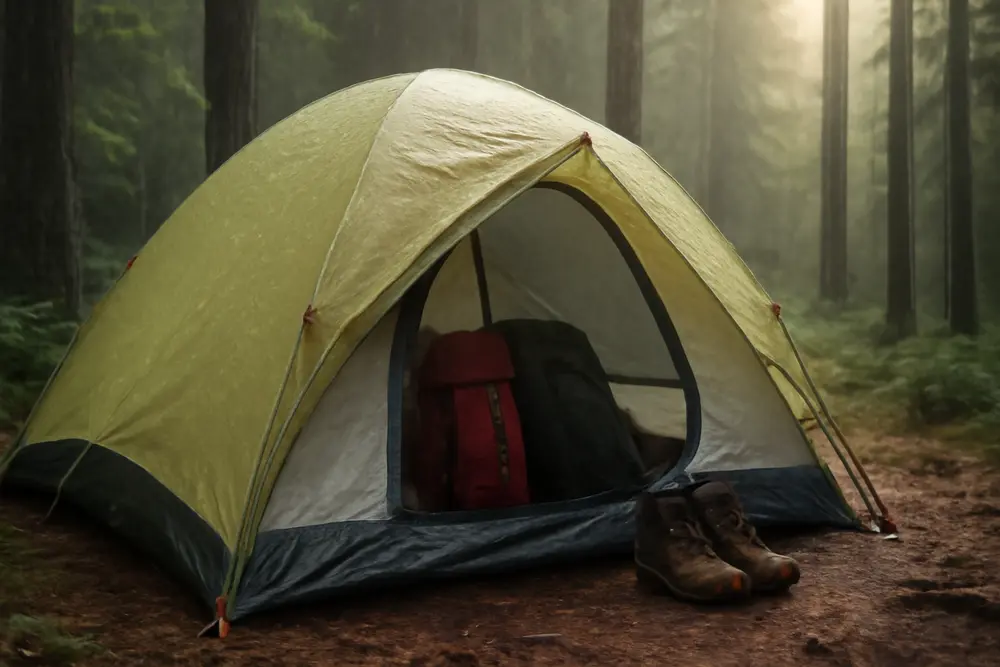
If you have ever stuffed a soggy tent into a bin, told yourself you’d unpack it tomorrow, and then cracked the lid a week later to a smell that could peel paint, this one’s for you. Mold loves a good camping trip – as long as you give it a ride home in your damp gear. I test mold for a living and it still shocks me how fast a little moisture turns a beloved tent into a biology experiment. Here’s how to stop that story at the plot twist: dry your kit fast, clean it right, and use breathable gear storage so your next trip starts fresh instead of funky.
Why Camping Gear Grows Mold
Mold is simple and relentless. It needs four things: moisture, a food source, stagnant air, and time. Your tent fly, bathtub floor, sleeping bag liner, and backpack straps are all tasty targets thanks to cellulose blends, coatings, skin oils, and trail grime. The moment you zip damp gear into a tote, you’ve gifted mold a microclimate. Relative humidity is the big trigger. Mold typically blooms when RH cruises above about 50 to 60 percent. If you keep the storage space in the 30 to 50 percent range, you make life hard for it and easy for your gear. That range lines up with guidance we share for mold-safe storage spaces and the same logic we use in homes and boats.
Time matters too. You usually have 24 to 48 hours to get gear from damp to bone-dry before mold establishes. Past that, spores wake up, feed on dirt and residues, and throw a musty party you are not invited to. Treat those first two days after a trip like a gear emergency room and you’ll rarely meet mildew again.
Two quick takeaways worth taping to your gear shelf:
“Mold typically blooms when relative humidity cruises above about 50-60 percent, but keeping RH in the 30-50 percent range makes it miserable to live.” Source
“Never store anything that isn’t clean and fully dry – even a small amount of moisture sealed in a tote can let mold start within days.” Source
Tent Drying Techniques That Work
Tents are trickier than they look. Fabric weaves, waterproof coatings, seam tape, and folded corners trap water. Drying the outside is only half the job. Here’s how to go fast and thorough without torching your gear’s lifespan.
Shake First, Then Wipe
Right after the trip, lay the tent footprint and fly apart from the inner body. Shake standing water from the floor and vestibule. Use a couple microfiber towels to blot seams, corners, and any spots with obvious droplets. Towels pull liquid water that air alone takes hours to handle. You just stole time back from mildew.
Pitch Or Hang For Airflow
If weather allows, pitch your tent with all doors and vents fully open. If you are working in a garage, drape the canopy and fly over lines or sawhorses so the fabric is taut and air can move on all sides. Airflow is the whole game. Avoid laying fabric flat on plastic tables that block the underside. If you can catch a light breeze, even better.
Smart Sun And Shade
Morning or late afternoon sun is great for a quick surface dry and to discourage microbes. Midday UV, especially high summer, cooks waterproof coatings and seam tapes. Give the tent 45 to 90 minutes of gentle sun, then move to bright shade with a cross-breeze to finish. If the fly has any sticky or flaking areas, keep it out of harsh sun while you plan a reproofing session.
Fans And Heat With Care
A box fan pointed across – not directly at – your pitched tent speeds evaporation in a carport or spare room. Crack a window or run an exhaust fan to get moisture out of the space. For sleeping bags, quilts, and down jackets, follow the label. Many allow a dryer on low heat with a couple dryer balls to fluff insulation and break up clumps. If the label says air dry only, lay flat, flip every hour, and use a fan. Never use high heat on technical shells, tent flies, or coated fabrics unless the manufacturer says it is safe.
Rotate Until It Is Truly Dry
Flip the tent body and fly every hour so inside-facing layers see air. Pay attention to corners where fabric layers meet – that is where moisture hides and mold shows up first. Do not pack until everything is bone-dry to the touch and cool, not clammy. If the fabric feels cool compared to the room, it may still be damp.
What If You Are Still In The Field?
On multi-day trips, a midday gear break pays off. Shake and drape the fly over brush or a trekking pole frame for 15 minutes whenever the sun pops out. Sleep with damp socks or liners in your bag only if you absolutely must. Your bag is a dehumidifier in the worst way, and you will be drying that funk for days. If you are stuck in nonstop rain, prioritize keeping a dry barrier between you and your sleeping insulation. A dry bag liner is cheaper than replacing a bag matted by moisture and mildew.
Cleaning Gear Without Wrecking It
Cleaning is where lots of campers go wild with bleach and regret it later. Harsh chemicals can nuke waterproofing, fade colors, and weaken fibers. You want cleaners that remove sweat, dirt, and food residue – the stuff mold eats – without stripping coatings.
Use Gentle Cleaners First
For tents, shells, and technical fabrics, a mild, unscented soap or a technical wash designed for outdoor gear is your safest move. A sponge or soft brush with lukewarm water breaks loose dirt at seams and zippers. Rinse well so nothing sticky stays behind to feed mold.
For mildew odor or light spotting on porous gear like canvas or non-coated surfaces, white vinegar is a go-to in our industry because it disrupts mold’s party without leaving toxic residue. Wipe a 1:1 water-vinegar mix on the affected area, let it sit 10 to 15 minutes, then rinse and dry. You can also use a light baking soda paste to gently scrub stains, but do not mix baking soda and vinegar in one container – they neutralize each other. Use one, rinse, then use the other if needed. We explain why non-toxic options help prevent regrowth here: Vinegar vs Bleach for Mold.
What About Bleach Or Peroxide?
Bleach has its place on hard, non-porous surfaces, but it is not a great idea on most camping fabrics. It can destroy fibers and coatings, and it does not penetrate deeply into porous material where spores hide. If you try hydrogen peroxide 3 percent on stains, spot test in a hidden area first – it can lighten dyes. Never mix peroxide and vinegar in the same bottle. Never mix bleach with anything except water. If in doubt, stick with technical wash and targeted spot treatment followed by a thorough rinse.
Sleeping Bags And Insulation
Down and synthetic bags pick up skin oils that attract dirt and odors. Use a bag-specific cleaner and follow the label for machine wash versus hand wash. Support the bag well when wet – insulation is heavy and seams can stretch. Dry slow with low heat and dryer balls if allowed. Store bags loosely later – compression sacks are for travel only, not storage.
Dealing With Stubborn Odors
After cleaning, if there is still a hint of swamp, set the gear in moving air for 24 hours. Odors linger when moisture lingers. You can also use an enzyme-based gear deodorizer made for technical fabrics. Skip perfumed sprays that just add a floral swamp note over the top. If an odor is strong and visible spotting covers large areas, you might be past DIY cleaning for that piece.
Reproofing And Seams
Any time you wash a tent or shell, plan to refresh the durable water repellent treatment once fully dry. Spray-on DWRs stick to outer fabric and restore bead-up so the material does not wet out as quickly. Inspect seam tape and the bathtub floor. If seams are peeling, use a compatible seam sealer along stitching after cleaning and drying. Hitting these high-risk zones – zippers, seam tape edges, and tent floors – helps stop moisture pockets where mold starts.
Breathable Gear Storage Tips
If mold is the villain, sealed plastic is its getaway car. The phrase to tattoo on your storage bins is breathable gear storage. Your goal is dry gear plus a cool, low-humidity, ventilated space. That beats any amount of scrubbing later.
Set The Right Environment
Store gear only when it is fully dry. That includes guy lines, stakes, footprints, and stuff sacks. Keep the storage area between 30 and 50 percent relative humidity. Skip hot attics, damp basements, or car trunks. Use a climate-controlled closet or a garage corner that does not swing into sauna mode. If the space tends to be humid, a small dehumidifier can help. We share more storage humidity guidance here: Silica Gel Packs for Mold-Free Storage and here for RV and boat parallels: Dehumidifier Placement.
Choose Containers That Breathe
Plastic totes are fine for clean, fully dry gear if you allow ventilation. Leave lids slightly cracked or install small vent grommets. Add desiccants inside. Even better, use cotton or mesh storage sacks for tents and sleeping bags and keep those on open shelving. Vacuum sealing is a hard no unless you are 110 percent sure the item is totally dry and you are using it again very soon. Plastic traps condensation and turns small moisture into big mold.
Use Desiccants And Track Humidity
Silica gel packs are cheap insurance, especially in smaller containers. Pick indicating packs so you can see when they have absorbed their fill and need to be recharged. They do not kill mold – they steal the one thing mold cannot live without, which is available moisture in the air. We break down how and where to use them here: Silica Gel Guide. Place a small digital hygrometer in the storage closet and in at least one bin. Check monthly at first, then each season. You will learn how your space behaves in summer versus winter.
Keep Off Floors And Exterior Walls
Cold concrete floors and exterior walls encourage condensation. Elevate bins and bags on shelves or pallets and keep a few inches of space between containers and walls. That tiny air gap cuts down on condensation wicking into your gear from surfaces you are not even looking at.
| Item | Best Storage | Avoid |
|---|---|---|
| Tent & Fly | Loosely folded in a cotton or mesh sack on open shelving with a couple silica packs | Tightly rolled in original stuff sack inside a sealed plastic bin |
| Sleeping Bag | Hung by loops or in an oversized cotton sack, uncompressed | Compressed in a small stuff sack for more than a few days |
| Backpack | Empty, clean, buckles unclipped, pockets open, stored upright | Packed with gear, zipped shut, shoved against a basement wall |
| Footprint | Dry, loosely folded, separate from tent body | Rolled wet inside the tent |
Preventive Habits That Keep Gear Fresh
Mold prevention is mostly boring consistency – with a big payoff. Build these moves into your routine and you will never sniff the swamp again.
After every trip, shake out dirt and leaves before you even leave the campsite. At home, air everything immediately. Pull food, sunscreen, and bug spray out of your pack. Those spill residues age like milk. Spot clean heavy sweat zones on shoulder straps and back panels so salts and oils do not set in. Check zipper sliders and teeth and give them a quick clean so grit does not grind the fabric later.
Once a season, do a deeper wash on your tent and reapply DWR to outer fabrics. Inspect seam tape, especially at corners and on the rainfly. Reseal if any edges lift. If you have a canvas tent or leather items, follow the manufacturer’s care – these materials need breathable storage and careful cleaning, not harsh chemicals. Pick gear built with mold resistance in mind. Synthetics handle moisture and dry faster than cotton, coatings and treatments that tolerate light sun and gentle cleaners save you drama, and breathable fabric means less trapped sweat to feed microbes.
Quick Post-Trip Checklist
- Unload the car before you sit down. Wet gear gets first-class treatment.
- Shake and towel tents and footprints, then pitch or hang for airflow.
- Open every zipper, pocket, and stuff sack so nothing stays sealed damp.
- Run a fan across the drying area and crack a window or exhaust moist air.
- Clean with mild soap or gear wash, rinse thoroughly, and spot treat as needed.
- Dry until fabric feels cool-dry, not clammy – check seams and corners.
- Store in breathable gear storage with RH at 30 to 50 percent and add silica packs.
- Log a quick reminder to check the hygrometer in a week, then monthly.
FAQ: Common Moldy Gear Questions
My Tent Smells Musty But I Do Not See Spots. What Now?
Odor is an early warning. Pitch the tent, clean with a mild gear wash, rinse, and dry with strong airflow. If smell persists, use a vinegar-water wipe on the interior, rinse, then dry again. Refresh DWR on the outer fabric after everything is dry. If odor remains strong, the coating may be breaking down – time for a deeper evaluation or replacement.
Can I Kill Mold On A Tent With Bleach?
I do not recommend it. Bleach can weaken fabric and eat coatings while still missing spores inside fibers. Save bleach for hard, non-porous surfaces. Stick to technical washes, vinegar for light mildew on suitable surfaces, and thorough drying. When in doubt, test a small area or talk to the tent maker.
How Fast Do I Need To Dry Gear After A Rainy Trip?
Within 24 hours is ideal, 48 hours is the danger zone. Past that, you are likely to see spotting and smell that familiar funk. Prioritize airflow and towel-blotting to jumpstart the process the moment you get home.
What Humidity Is Safe For Long-Term Storage?
Target 30 to 50 percent relative humidity. Above 50 to 60 percent, mold has a clear runway. Use a hygrometer in your storage space so you are guessing less and opening fewer surprise science projects. If needed, use desiccants and ventilation. Here is a deeper look at storage humidity and desiccants: Silica Gel Packs.
Do Silica Gel Packs Prevent Mold By Themselves?
They help, but they are not magic. Silica gel does not kill mold – it steals moisture so mold cannot get started. Use them with fully dry gear, breathable storage, and good space humidity. Recharge indicating packs when they change color so they keep working.
Is Sunlight Good Or Bad For Tents?
Both. A little sun helps dry and discourages microbes. Prolonged harsh UV degrades nylon, polyester, and coatings. Give your tent a short sun session, then move it to airflow in shade to finish drying.
Can I Store My Sleeping Bag In Its Compression Sack?
Only for travel. Long-term compression flattens insulation and reduces loft – and trapped moisture makes it worse. Store bags hung from loops or in an oversized cotton sack so they breathe and stay fluffy.
When Should You Call a Pro?
If your gear came out of storage visibly spotted across large areas, the smell knocks you back, or cleaning fails after reasonable attempts, it might be time to retire that piece. Mold on gear is not just cosmetic – some coatings and fibers break down once growth sets in. Also, if your storage area is consistently above 60 percent RH, or you are seeing mold on walls, floors, or cardboard near your gear, address the space. That is my cue as a mold inspector to test the environment, find leaks, set a dehumidification plan, and make sure your breathable gear storage actually lives in a breathable room. We have guides with crossover tactics from boats and RVs that translate perfectly to gear closets and garages – ventilation beats sealed storage every time: RV And Boat Storage Ventilation.
Bottom line, mold prevention is not magic – it is moisture control plus good habits. Dry fast using the tent drying techniques above, clean smart without wrecking coatings, and store in breathable gear storage at a friendly RH. Your nose – and your next trip – will thank you.