
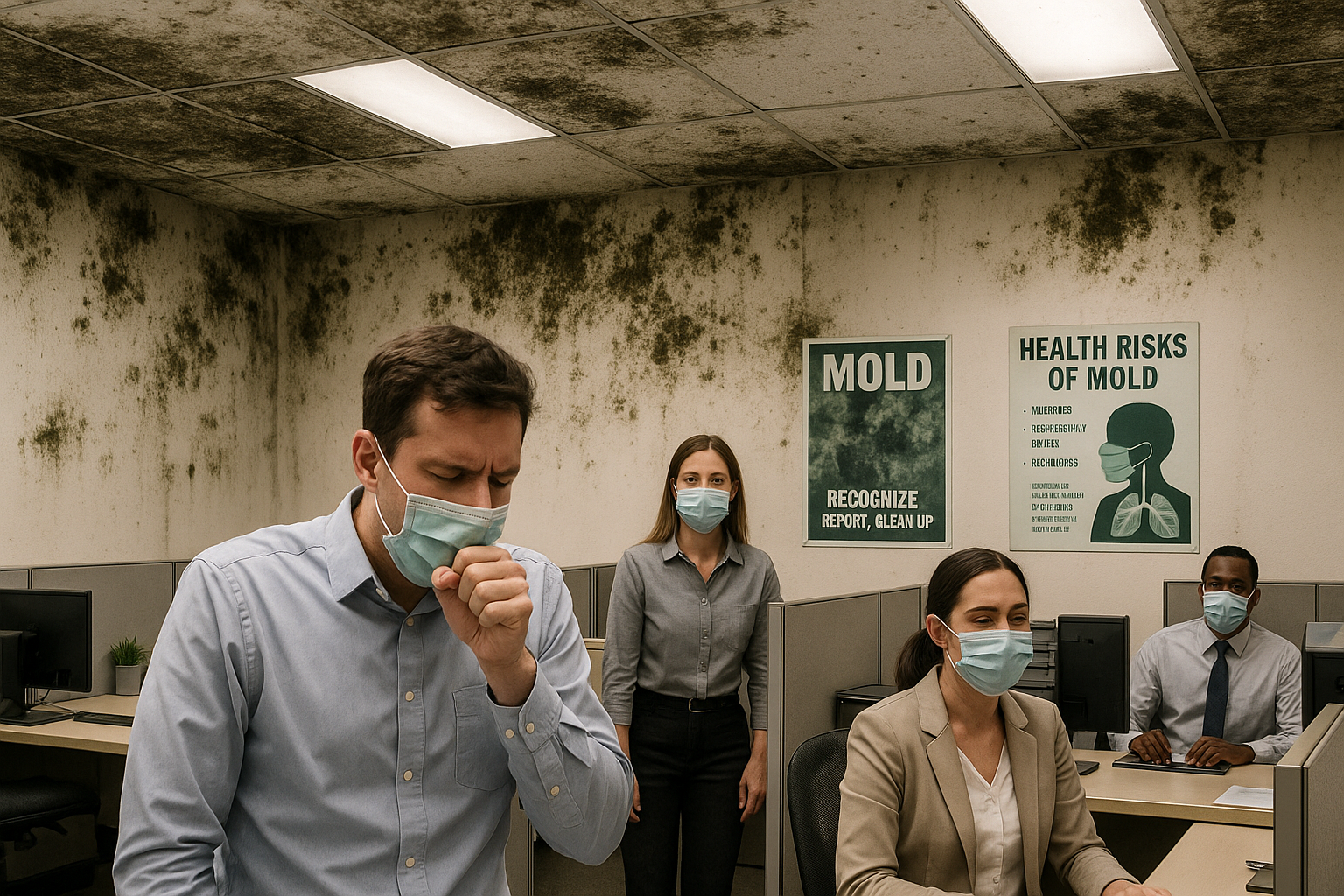
If you think workplace mold exposure is something only people in those “dirty” horror movie basements worry about, you’re in for a rude awakening. Mold does not discriminate. Offices, schools, warehouses, those modern coworking spaces with beanbags and irony, any building with moisture issues can become a petri dish for spore parties. If you’re wheezing at your desk, your eyes itch worse than a bad Tinder date, or your coworkers swap allergy pills like candy, your workplace might have a mold problem. This article speaks directly to what mold does to your body, how to spot sneaky symptoms, the not-so-glamorous reporting process, employer mold responsibilities, and why OSHA guidance isn’t just “suggestions.” Plus, you’ll get actionable tips for getting your workday back from fungus among us. Forget sugar-coating. We tackle this with brutal honesty and a bit of wit, because nothing about invisible respiratory risk is fun, except learning how to kick it to the curb.
Why Workplace Mold Is More Common Than You Think
Mold loves damp places. That means leaky office roofs, perpetually humid locker rooms, those “character-filled” school buildings, and busy warehouses with poor ventilation all provide prime habitat. Most people assume commercial property is built to a higher standard. Reality check: a busted HVAC, unnoticed plumbing drip, or a poorly sealed window brings mold waltzing in as quickly as a Monday morning coffee run. Factor in forgotten utility closets, stacks of damp cardboard, and aging insulation, and you get ideal hide-outs for spores.
Mold grows on organic materials. Carpet, drywall, ceiling tiles, and the back of that decades-old office fridge, if there’s cellulose and moisture, mold will find it. Most spores stay airborne until the next person breathes them in. Mold in the workplace impacts every building occupant, from managers to maintenance. All it takes is consistent moisture and a little time, and suddenly employee complaints are more about mysterious coughs than unpaid overtime.
The Health Toll: How Mold Messes with Bodies at Work
Let’s talk about the real-world health grind. Mold exposure messes with people in subtle ways at first. Most symptoms look a lot like normal allergies or that cold your kid brings home from daycare. You might notice a runny nose, itchy eyes, or skin rashes that just won’t go away. Some employees keep popping antihistamines, thinking pollen season never ends. For people with asthma or pre-existing respiratory disease, symptoms can get intense: lots of coughing, constant wheezing, even gasping for air after a few flights of stairs.
Chronic exposure ups the ante. Ever heard of hypersensitivity pneumonitis? It’s the not-so-rare bonus round of the mold game, where your immune system freaks out and the tiniest spores spark full-blown lung inflammation. Symptoms start with cough, fever, chills, and can spiral into long-term breathing problems if ignored. Sinus infections also become more frequent, producing facial pain, headaches, and that delightful feeling of being permanently stuffed up. The worst part? These symptoms track closely with your work schedule. Feel better on vacation, but symptoms return every Monday morning? Classic workplace mold exposure pattern.
Of course, it’s not just about the folks with allergies. Mold can irritate anyone’s respiratory tract. People get sore throats, persistent coughs, odd rashes, and watery eyes regardless of their baseline health. Some even blame stress before realizing it only happens at work. Ignoring these signs is like walking past a printer on fire because “it’s probably just temporary.” Left unchecked, long-term exposure can drive down productivity, tank morale, and sometimes cause employees to look for the nearest exit.
Common Symptoms Employees Should Watch For
Spotting a mold problem isn’t always about finding black fuzzy patches on the ceiling (though if you see that, run). Most employees first notice their bodies acting up. Here’s what to watch for:
Sudden or persistent nasal and sinus congestion. Frequent coughing that seems out of place or starts only during work hours. Throat irritation that doesn’t clear up, especially after leaving the building for the weekend. Skin rashes or unexplained redness and itchiness. Red, itchy, or watery eyes that come and go with time spent in the office. Difficulty breathing, shortness of breath, or wheezing, especially for those with asthma.
Keep an eye on patterns. If several coworkers have the sniffles, not just the intern who never washes his hands, the air quality might have gone downhill. Mold exposure symptoms often follow the building, not the season.
Why Mold Complaints at Work Shouldn’t Be Ignored
When people ignore odd smells or persistent wet spots, mold wins. Reporting mold at work sometimes feels futile, like yelling at a cloud. Despite this, prompt documentation and action save money, time, and future legal headaches. The longer mold colonies grow, the more spores assault your airways. Chronic allergies become new normal for employees. Sick building syndrome moves in, along with mysterious absenteeism.
A typical scenario starts with a musty smell near the kitchen sink. By ignoring it, management allows spores to multiply until someone finally reports suspicious stains or more people get sick. Investigating early nips costly repairs in the bud. Not to mention, pretending mold doesn’t exist never holds up in court if employees get sick and regulators come knocking. So tackle mold complaints like bad coffee, deal with it now or suffer through it for months.
How to Document and Report Workplace Mold Issues
If you think your workplace has a mold problem, step one: don’t panic. Step two: document everything. That means snapping photos of odd stains, leaks, or fuzzy green or black patches. Note any musty smells and where they occur. If your nose wrinkles every time you walk by a certain air vent, write it down. Document your symptoms and compare with coworkers if appropriate.
After gathering details, approach your supervisor or safety officer. Be specific about the locations and the problems observed. Generic complaints get ignored, but a written note with attached photos grabs attention. If your workplace shrugs or ignores the problem, escalate the issue to human resources or the facilities team. Keep copies of emails. If health symptoms persist, consult your doctor. Let them know workplace mold exposure might be a factor so they can provide proper documentation. Some businesses have anonymous reporting options. Don’t let chain of command stop you, persistent mold cares nothing for office politics.
Clear reporting protects employees and helps employers deal with issues before they escalate into health crises or legal battles. Silence just lets the spores win.
Employer Mold Responsibilities: No Excuses
Some employers argue mold is just part of the scenery, like flickering lights or bad office art. Wrong. Under the General Duty Clause, employers must maintain a workplace free of recognized hazards. That includes mold. Routine inspections for leaks and dampness are not optional. Prompt repair of plumbing or roof issues matters. Regularly check those forgotten janitor closets and under-sink cabinets.
Employees should receive training about mold. Not just where to find the HR forms, but what molds look and smell like, and how to report them. Employers need written remediation plans. That means clear steps for containment, removal, and future prevention. Bringing in trained professionals rather than improvising with bleach and hope. Skipping remediation or delaying repairs courts disaster, invites higher claim costs, and risks OSHA citations, not to mention a hit to company reputation. Bottom line: cutting corners on environmental safety is more expensive in the long run than dealing with mold correctly the first time.
OSHA Guidance for Mold in the Workplace
The Occupational Safety and Health Administration doesn’t post a table of “safe” and “unsafe” mold spore counts, but that isn’t a green light for ignoring fungus. OSHA’s guidance makes it crystal clear that water damage, leaks, and mold growth are all recognized hazards. The General Duty Clause is no joke. OSHA outlines steps for assessment, control of moisture sources, containment, and cleanup. Their documents highlight the importance of catching leaks quickly, cleaning HVAC systems, and never closing the blinds on a musty conference room and hoping no one notices.
OSHA encourages employers to bring in professionals for significant infestations, follow CDC and EPA recommendations, and always investigate the health complaints of workers. Repeat mold offenders (the businesses, not the spores) find themselves subject to inspection, penalties, and furious HR emails. It’s not just about avoiding fines, OSHA standards protect employee health, keep productivity on track, and help avoid those awkward legal proceedings. A safe workplace is a regulated one, not just structurally, but in the very air employees breathe.
Prevention: Stopping Mold Before It Becomes the Office Mascot
You don’t need a Ph.D. to understand what prevents mold: keep things dry. That means fixing leaks the moment they happen. Monitor humidity, if the air feels damp enough to grow mushrooms, mold already has the upper hand. Ensure HVAC systems do more than just rattle and push lukewarm air; clean them regularly. Replace or upgrade old air filters. Airflow can’t be neglected. Mold loves stagnant zones, forgotten crawlspaces, and rooms that never see the light of day.
Mold resistant materials pay for themselves. In construction, choose paints, drywall, and ceilings that offer fungus zero grip. Clean up spills right away, coffee is for humans, not spores. Don’t stack wet boxes in dark corners, and discourage the growth of mold “collections” behind storage shelves. Most employees won’t mind a quick lunchtime chat about leak protocols or seeing building staff do spot checks. The fewer secrets between tenants, the harder it is for mold to make itself at home. Establish clear processes for reporting moisture problems. Make sure every worker knows who to tell if they spot a suspicious patch or smell. Office-wide buy-in means someone notices issues early, before your Monday headache becomes a company-wide epidemic.
Mold Risks in Shared Workspaces and Warehouses
Factories and open-plan offices bring their own set of headaches. Open ceilings, exposed ductwork, and frequent layout changes make control a constant battle. If you work in a warehouse, unsealed floors, frequent shipping door openings, and limited natural light make it one step from a botanical garden, for mold. In coworking spaces, lax cleaning schedules and transient populations mean mold can move in and settle before anyone notices. Even schools and hospitals, with constant foot traffic and occasional plumbing “events,” see their share of hidden spores.
Shared work environments demand clear communication between property managers, cleaning staff, and tenants. When everyone thinks “someone else” is checking for leaks, that’s when mold digs in deepest. Make inspections a group effort. Rotate cleaning tasks or encourage anonymous reporting. If you smell wet socks or see discolored ceiling tiles, flag it pronto. No one wants “historic water damage” as tomorrow’s punchline.
Legal and Financial Reality for Employers
Mold in the workplace isn’t just a HR problem. It’s a legal exposure that can spiral from nuisance to lawsuit in record time. Workers who get sick, especially those with diagnosed allergies or chronic lung conditions, can bring claims backed by medical records. OSHA citations bring steep penalties. Insurers may decline coverage if negligence can be proven. Skipping repairs means paying double next year when the infestation returns. Health departments in many states have authority to close portions of buildings or force emergency remediation. The cost of a professional mold inspection and repair is a fraction of lost productivity, absenteeism, and possible payouts. Think of environmental safety as preventive medicine for your profit margin.
Practical Tips for Employees and Employers
If you’re an employee: Stay alert for musty smells, visible spots, damp carpet, or HVAC condensation. Keep a log of health symptoms if they coincide with work hours. Report in writing, escalate if ignored, never assume mold will go away with the next rainstorm.
If you’re an employer: Set up regular building walkthroughs. Train staff to recognize risk factors such as leaks, excess humidity, and odd smells. Fix water issues quickly. Bring in certified professionals for any significant discovery. Set clear reporting channels that encourage swift action, not fear of reprisal. Invest in maintenance rather than litigation. Encourage open communication, silence breeds spores.
Everyone wins when people breathe easier and productivity rebounds. No gimmicks. Just a safer, healthier work environment all around.
Who to Call When Mold Won’t Quit
If you suspect workplace mold exposure and want actual answers, skip the guesswork. Professionals like Howard Environmental provide thorough inspections for offices, warehouses, schools, and anywhere else mold thinks it can hide. Certified assessments, pinpointed reports, clear next steps, all with the science (and paperwork) to back it up. Don’t stake your health on bored maintenance staff wielding a spray bottle. When in doubt, get the pros on site, get the truth, and get your workplace breathing freely again.