
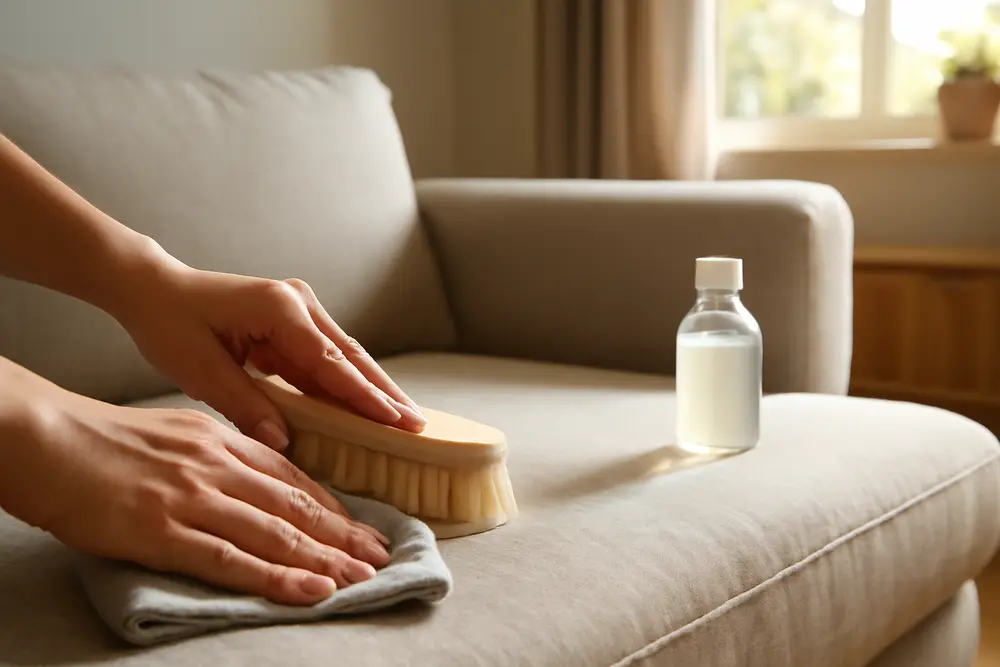
If your sofa smells like a gym bag that went to summer camp and never wrote home, we need to talk. Upholstery is basically a sponge dressed as furniture, and mold loves sponges. As a mold inspector who has met the villain up close, I’m handing you the playbook for upholstered furniture care that actually blocks mold. We’ll target indoor humidity, open up airflow, master sofa drying techniques, handle spills like a pro, and store pieces seasonally without building a tiny mushroom farm in your living room.
Why Upholstery Invites Mold
Upholstery is a buffet for mold. You have porous fabric on top, absorbent foam or batting inside, a frame that can trap condensation, and seams where moisture throws secret parties. If indoor relative humidity hangs above 60 percent for more than a few days, mold spores will RSVP yes and bring friends. The safe zone for everyday living is roughly 30 to 50 percent relative humidity. Sofas and chairs are extra vulnerable because sweat, spills, pet drool, and wet coats are everyday life. If moisture reaches the padding and stays there, growth can begin before you even notice a smell.
Start checking the places everyone ignores: the underside of seat cushions, the zippered backs, the crack where the seat meets the arm, and the dust cover on the bottom. Musty odor, shadowy stains that don’t vacuum away, damp seams, or a spongy feel in the padding are all early red flags. Catch it fast and you’re in control. Ignore it and you’re negotiating with fungi.
Humidity Control That Actually Works
Think of humidity control as the bouncer at your sofa’s door. Aim for 30 to 50 percent relative humidity year round. Mold risk rises sharply above 60 percent. Your target shifts a little with the seasons because physics: colder air holds less moisture, warm air holds more.
| Season | Target RH | Why It Helps |
|---|---|---|
| Winter | 30 to 45% | Reduces condensation on cold walls and windows that can dampen upholstery nearby |
| Summer | 40 to 50% | Keeps padding from soaking up ambient moisture during muggy weather |
Use a few cheap digital hygrometers around the house, especially near the sofa, in the basement, and in rooms with aquariums or lots of plants. If numbers creep above 50 percent, turn on the dehumidifier, run the AC on dry mode if available, and bump up air circulation with fans. Bathrooms and kitchens pump out steam, so use exhaust fans every time and fix any exhaust that’s just blowing moisture into an attic. Any leak, drip, or sweating pipe nearby will outmuscle your dehumidifier, so hunt those down first.
Airflow Around Furniture
Your couch needs to breathe. That means a small gap from walls, open space below, and no suffocating covers. Keep sofas and chairs at least 2 to 4 inches off exterior walls so air can move behind them. If your home gets condensation on windows or outside walls in winter, give even more space or move the piece to an interior wall. Make sure supply vents and returns aren’t blocked by upholstery, curtains, or bookcases. If your furniture sits on thick rugs over concrete, consider breathable rug pads that allow a little air under there.
In storage or tight rooms, avoid making a sofa sandwich. Don’t push pieces tightly together or stack boxes up against armrests. Condensation likes cramped corners where air can’t mix. Keep items off floors using pallets or furniture feet, and cover with breathable cloth rather than plastic. Plastic traps moisture and turns normal air into a fog machine. We talk about this a lot because it matters: see Howard Environmental’s guidance on spacing, breathable covers, and avoiding plastic in Condensation-Proof Your Storage.
Spill Response and Sofa Drying Techniques
Spills happen. Mold thrives on delays. Here’s how to win that race without turning your sofa into a chemistry experiment.
Act Fast, Blot Faster
The first 5 minutes decide your fate. Strip off removable covers and toss them in the wash per the label. On the cushion core, press firmly with clean, dry, absorbent cloths or plain white paper towels. Keep swapping to dry sections so you’re pulling moisture out, not just moving it around. No rubbing. You’re not polishing a bowling ball.
Keep Moisture Out Of The Padding
If the spill is on the surface, hold the cushion vertically while blotting so gravity doesn’t drive liquid deeper. For big spills, you can sandwich the cushion between towels and apply pressure across the whole area to wick moisture upward into the towels.
Extract, Then Air
A wet-dry vacuum with an upholstery tool is your best friend. Pull water out in slow passes, overlapping slightly, until you’re not seeing much moisture in the nozzle. Then switch to airflow: aim a box fan or air mover across the wet area at a slight angle. Circulating air works better than air blasting straight on. Set a dehumidifier in the room and keep windows closed if it’s humid outside.
Chase The Hidden Damp
Surface dry doesn’t count. Padding must be dry through the core. If you don’t have a moisture meter, check by weight and feel. Compare the wet cushion to a dry one. If it still feels heavy or cool to the touch after several hours, it’s not done. Rotate and flip during drying so the bottom side doesn’t become a secret swamp. If the furniture frame or decking fabric got wet, aim airflow underneath too.
Sunlight Is A Bonus, Not The Plan
Sunlight helps a little with drying and odor, but UV alone won’t sanitize a soaked cushion and too much sun can bleach fabric. Use it sparingly and rely on extraction, airflow, and dehumidification for the real work.
How Long Is Too Long?
Most light spills should be fully dry within 12 to 24 hours with fans and a dehumidifier. If a cushion stays damp beyond 24 to 36 hours, expect mold risk to climb. At that point, keep drying aggressively and consider professional cleaning or replacing the foam insert if odor starts to linger.
What About Steam Cleaners?
Careful. Steam can push moisture deeper into foam. If you use a carpet extractor on upholstery, do low moisture passes and maximize vacuum extraction. When in doubt, test a small area and check how fast it dries. If dry time exceeds a day, that method is too wet for your fabric and foam combo.
Deep Cleaning and Spot Removal
For light mold spotting caught early, you can often clean and stop it before it spreads. Work in a well-ventilated area. Wear gloves and a snug mask if you’re sensitive, because even small amounts of spores can irritate.
Start with a HEPA vacuum on the fabric to capture loose spores and dust that feeds them. Use gentle brush strokes and slow passes so you’re collecting, not flinging. Then test your cleaner on a hidden spot. Options that usually play nice with upholstery:
1. Mild dish detergent in warm water. Apply sparingly with a microfiber cloth, dab the spot, don’t soak. Work from the outside in so you’re not making a halo. Blot with a separate damp cloth to rinse lightly, then blot dry.
2. White vinegar diluted 1:1 with water. Useful on musty areas and light mildew. Apply lightly, blot, then dry thoroughly. Vinegar smells at first but fades as it dries.
3. 3 percent hydrogen peroxide for light-colored fabrics only. Test twice. Dab, wait a few minutes, then blot with a damp cloth. Peroxide can lighten dyes, so if your test area brightens, stop.
Avoid bleach on standard upholstery. It can wreck dyes and weaken fibers. If the furniture tag explicitly says bleach-safe, sure, but that’s rare. No matter what cleaner you use, the golden rule is low moisture in, high airflow out. Clean in sections so you can dry right after each part instead of soaking the whole piece at once.
Seasonal Care and Storage
Seasonal swaps are when great couches go moldy. One sloppy storage decision and you’re buying new cushions. Before you stash anything, deep clean and make sure every layer is bone dry. That means the cushion covers, the foam, and the frame. For storage:
Use breathable cotton sheets or moving blankets as covers. Never shrink-wrap or wrap tight in plastic. Plastic traps moisture from the air and from inside the furniture. Keep pieces elevated an inch or two off the floor and space them a few inches from walls to cut down on condensation. If a unit or garage gets temperature swings, humidity will spike. Climate-controlled storage is far safer for upholstery and other porous items. Howard Environmental covers spacing, breathable covers, and humidity targets in Condensation-Proof Your Storage.
Drop a hygrometer in the storage area and check it occasionally. Maintain 30 to 50 percent RH. If it runs higher, add a dehumidifier or increase ventilation. Desiccant packs are fine as a supplement, but they’re not a silver bullet for a damp building. If you’re juggling a lot of storage tactics at once, browse our Resources for humidity and condensation basics.
Repair Or Replace?
Let’s be honest. Some moldy sofas are not worth the wrestling match. Time to triage:
Replace when mold is widespread across multiple cushions, lives deep in foam, or the musty odor returns after thorough drying. If anyone in the home is immunocompromised or has severe allergies, be extra cautious with any porous item that was heavily affected. Frames can sometimes be saved even when foam is toast, but that usually means reupholstery and new padding.
Consider restoration when growth is limited to small spots on the surface, the spill was cleaned quickly, and odor disappears after proper drying. Replacing foam inserts is a surprisingly effective middle path. If the frame is solid and fabric is in good shape, a professional upholstery shop can swap foam and batting, clean the fabric, and give you a mold-free fresh start.
Smart Placement and Daily Habits
A few everyday moves go a long way. Rotate and flip cushions weekly so the same seam isn’t always taking the sweat and snack duty. Lift cushions and check the deck monthly for dampness or odor, especially in humid months. Use washable slipcovers in homes with kids, pets, or clumsy adults who shall not be named. Keep space heaters, humidifiers, and aquariums a respectful distance from upholstery. If you run a humidifier in winter, target the 30 to 40 percent zone and put a hygrometer nearby so you’re not turning your living room into a rainforest. Train pets to skip the wet-from-walk nap on the couch. Or at least put down a dry towel first.
Quick Warning Signs
Catch these early and you’ll save the sofa:
- A new musty odor when you sit down, especially after a humid day
- Shadowy spots under cushions or along seams
- Condensation on nearby windows or cold walls during winter mornings
- A cushion that feels cooler and heavier than the others
- Rising indoor RH above 50 percent for several days
What If Mold Already Showed Up?
Stop adding moisture. Pause humidifiers, open windows only if outdoor humidity is lower than indoor, and start mechanical drying with fans and a dehumidifier. HEPA vacuum the surface, then spot clean as above. If the smell lingers after a day of solid drying, the growth may be inside the foam. At that point, consider replacing inserts or calling in a professional. When you see widespread staining, crumbling foam, or you react with coughing or irritation while near the piece, it’s time for replacement or professional remediation.
FAQ
How Dry Is Dry Enough?
When the cushion weighs the same as a dry one, feels room temperature instead of cool, and the hygrometer in the room reads under 50 percent during drying. If you have a moisture meter, you’re shooting for readings close to ambient moisture content across the cushion, not just on the surface.
Can I Use A Hair Dryer?
Only as a spot tool from a safe distance and on a cool or warm setting. High heat can warp fabric and push moisture deeper. Air movement plus dehumidification works better than blasting heat at a damp foam block.
Is Vinegar Safe On All Fabrics?
No. Always test. Most synthetic and many natural fabrics tolerate a 1:1 vinegar and water solution, but some dyes can shift. Dab a hidden area, let it dry, then compare in daylight. If color changes or texture stiffens, skip it.
Can Sunlight Disinfect My Sofa?
Sunlight helps with odor and light surface drying but it’s not a reliable disinfectant for thick foam. Use it as a helper for a short time, then bring in fans and a dehumidifier to finish the job. Avoid baking cushions for hours to prevent fading.
How Long Does Mold Take To Grow?
Under the right conditions, growth can begin within 24 to 48 hours on damp, porous materials. That’s why fast extraction and same-day drying win.
Should I Steam Clean Upholstery?
Only if the tool is designed for upholstery and you keep moisture low with strong extraction. High-moisture steamers can saturate foam and slow drying, which is the opposite of what you want. If dry time is more than a day, it’s too wet.
How Do I Store Cushions Without Mold?
Clean and fully dry them, then store upright on breathable shelving with a few inches between pieces. Use cotton covers, not plastic. Keep the storage area at 30 to 50 percent RH. If possible, store in climate-controlled spaces.
A Quick Mold-Safe Cleaning Kit
Keep a small kit near the living room so you don’t waste precious minutes hunting for supplies when juice meets cushion. Mine includes: clean white towels, microfiber cloths, a small wet-dry vacuum with upholstery tool, a mild detergent, a spray bottle with 1:1 white vinegar and water, 3 percent hydrogen peroxide for light fabrics, a box fan, and a digital hygrometer. Add nitrile gloves and a simple mask if you’re sensitive. With that setup, most spills turn into stories, not science experiments.
When To Call A Pro
If you’ve done the cleaning dance and the musty odor still limps back after each humid day, you’re likely dealing with growth inside the foam or in the frame fabric. If growth is widespread, if family members are reacting, or if you’re seeing moisture issues in multiple spots around the home, call in help. We can test, map moisture, and help you decide whether to restore or retire. For storage planning and humidity fixes that make mold boring again, check our Resources and the storage guide at Condensation-Proof Your Storage.
The Sofa Owner’s Mold Prevention Ritual
You don’t need a hazmat suit and a PhD. You need habits. Keep indoor RH under 50 percent. Park furniture where air can move. Dry spills right away, all the way through the padding. Clean lightly and dry heavily. Store smart with breathable covers and real spacing. Spot-check seams and undersides monthly. Do those things and your sofa will smell like a sofa, not a basement. If it ever crosses the line, we’ll help you pull it back.