
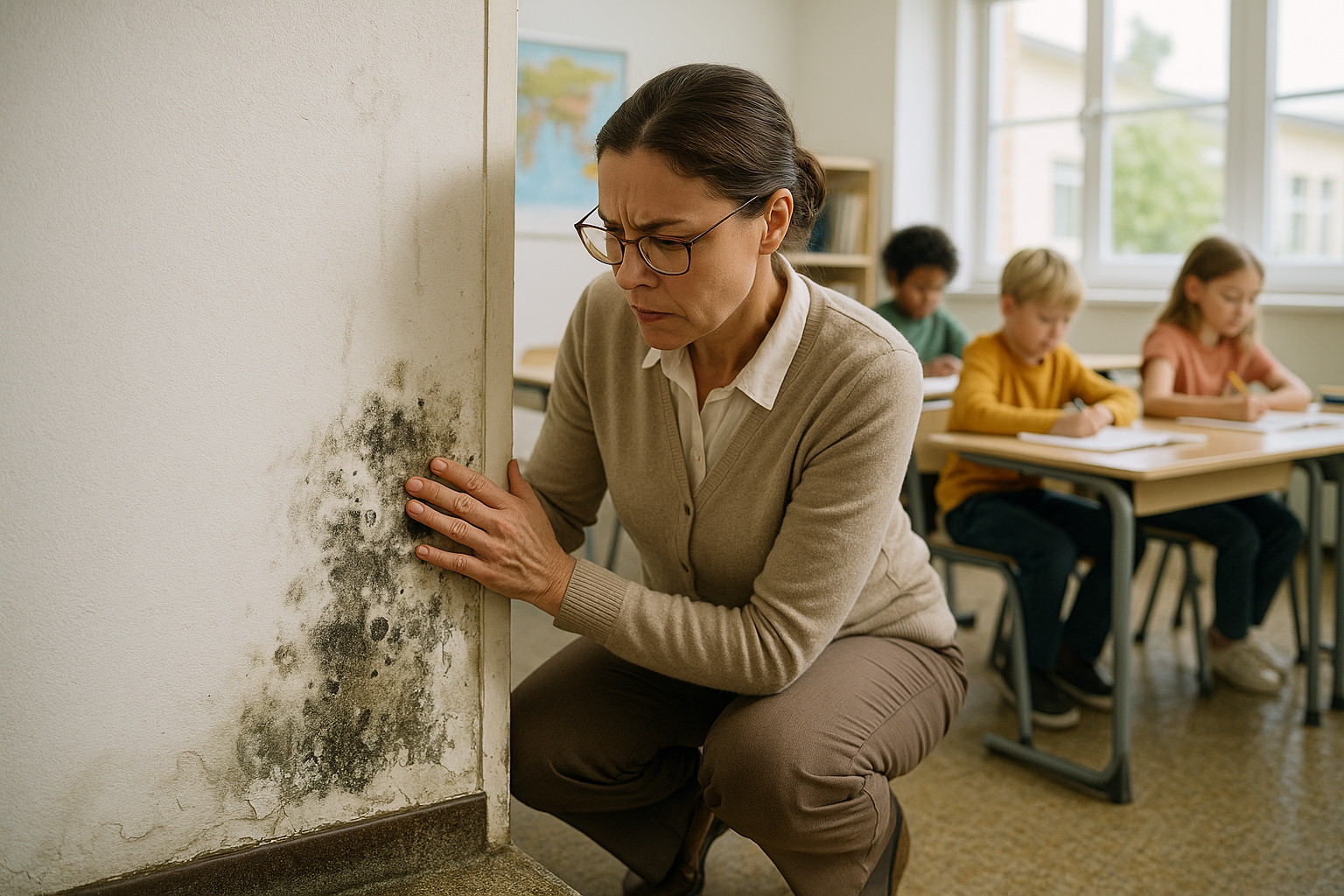
Mold in schools is not just an ugly stain on the ceiling tiles. It is a silent classroom invader that does not care about honor roll or perfect attendance. When mold infiltrates a school, it brings chaos for students and staff. Foggy brains, runny noses, and hacking coughs are only the start. Mold risks in educational spaces go deeper than some mildew creeping up bathroom grout. If you are a school administrator, a sharp-eyed teacher, or a parent with a nose like a bloodhound, you need to spot mold before it schools you. This article exposes the top school mold dangers hiding in plain sight. Discover what causes classroom mold. Recognize subtle symptoms. Pick up serious tips for banishing mold from your school for good. Sharpen your #2 pencils. No pop quiz, but you will leave with cheat codes for classroom mold prevention.
How Mold Creeps into Schools
School buildings can unintentionally roll out the moist welcome mat for mold. Water is mold’s best friend. Even the tiniest leak from a roof or rusty pipe can send mold into overdrive behind walls or under floors. When humidity inside soars or windows get a droplets party, you can bet spores are ready to move in. A neglected HVAC system sends those spores jet-setting throughout the school, leaving moldy calling cards all along the way.
Locker rooms become ground zero for mold mischief. The combination of sweaty socks, wet towels tossed on benches, and a steam-filled air makes them a five-star spa for mold colonies. Carpeting only adds to their luxury, trapping moisture like a secret stash. Underneath desks or near exterior walls, even small amounts of hidden water invite mold to have a dance party nobody wants to attend.
This silent takeover means mold is often multiplying long before any green or black fuzz appears. If school maintenance schedules do not include regular moisture checks, mold can create a full-blown health hazard. Preventing these invasions requires vigilance and quick action, not just the occasional towel-down.
Signs of Mold Trouble in Educational Spaces
Clues of school mold dangers sometimes shout, but more often, they whisper. Watch for the classics like discolored ceiling tiles or dark spots creeping up wall corners. If classrooms always smell earthy, musty, or “like old gym shoes,” that is mold’s way of introducing itself. A window covered in condensation or a damp, sticky feel in the air also raises red flags.
But mold does not stop at causing eye sores. Pay close attention to classroom complaints. Are kids or staff sneezing uncontrollably every Monday? Do teachers find themselves wheezing or rubbing itchy eyes far more often than at home? Mold symptoms can pass for minor allergies, so patterns matter. When multiple students or staff have sniffles, coughs, or recurring asthma flare-ups in the same room, start asking about mold. Teachers or janitors finding mold under carpets, in lockers, or behind cubby bins should snap photos and sound the alarm immediately.
Locker rooms, music rooms, and cafeterias can hide mold in sneaky places. Water fountains with sticky push buttons, supply closets with warped baseboards, or art classrooms where wet sponges or painted projects hide from the sun make perfect mold launchpads. If your school is old or recently had a leak, double-check those corners. Mold will never RSVP to your open house, but it loves crashing the party.
Health Hazards Mold Brings to Kids and Staff
School mold dangers reach well beyond outrageously stained ceiling tiles. Mold has a long rap sheet. Trouble starts with allergy-like symptoms: non-stop sneezing, noses that run from class to class, and red eyes begging for relief. Some students and teachers get skin rashes or a scratchy throat. For those with asthma, a short walk past the art room can mean a sudden struggle for breath or coughing fits that will not go away.
Mold does not play favorites. Young children, the elderly, and anyone with a weak immune system face bigger risks. Even teachers in otherwise good health can lose their voices or develop constant respiratory irritation after repeated exposure. The sneaky part: sometimes, symptoms do not show up right away. That means sick days stack up, but the culprit remains hidden under a classroom rug or inside a ductwork vent.
Kids have enough on their plates with tests and social drama. Add a daily dose of mold exposure, and you’ll see their energy tank and attention fade. If multiple staff or students report persistent headaches, fatigue, or asthma symptoms in one building, do not ignore it. Mold might be staging a takeover, bringing its own brand of sick-day revenge.
Why Schools Become Mold Magnets
No school dreams of starring in a horror movie called “The Mold that Ate the Classroom,” but some buildings practically set the stage for toxic growth. Roofs take all the weather blows. Missing shingles, cracked flashing, or clogged gutters allow water to creep inside after every storm, pooling above drop ceilings or soaking into insulation. One small hidden leak can feed mold for months before anyone notices the damage.
Pipes snake through hallways or stairwells like secret passageways. When joints leak, water puddles behind walls, perfect for mold parties far from cleaning crews. Windows become sweat factories in humid months. Poorly maintained HVAC units recycle moisture, blowing spores everywhere. Even shiny new floors do not guarantee safety if leaks pool under baseboards or seep into cracks. Older buildings face steeper odds, with ancient caulking, outdated ventilation, and long-forgotten crawlspaces acting like VIP lounges for every type of fungus.
Carpeted classrooms present another trap. These may look cozy and reduce echoes, but they soak up every spilled juice box and tracked-in snow flurry. Unless district budgets allow full-time deep cleaning, carpets let mold lurk for semesters. Locker rooms challenge the balance with showers that leak and vents that sputter. Combine sweat, showers, and leftover gym socks, and you have the perfect conditions for mold domination. Only constant vigilance keeps these spaces from turning into allergy factories.
Recognizing Hidden Mold in Schools
Mold is not always loud about its presence. Sometimes, spores work undercover. Students or staff with asthma suddenly require extra inhaler puffs every time they enter a specific hallway. Maintenance staff finds warped wood behind a bookshelf or peeling paint under a leaking window. Art classroom glue smells sharper than usual, or the campus gym feels muggy despite running fans. All of these signal a possible mold problem.
Sneaky mold loves to hide in dark, damp corners. Check basements, storage closets, under sinks, behind bookshelves, and anywhere tile meets wall. If a storage room used to hold paint now gets sticky in humid weather, investigate. Mold can even show up as unusual slime in science labs or as unexpected stains on stacks of library books. If parents or teachers spot constant condensation inside display windows or glass doors, request a closer look. Mold can follow air currents, meaning an issue in one room quickly infects the next.
Do not ignore complaints from the school nurse. A spike in allergy meds or nebulizer use is not just coincidence. These reports often pinpoint the first waves of mold symptoms before they snowball across campus.
What Mold Means for Education
When mold attacks, students’ grades may drop along with their attendance. A stuffy classroom where half the kids cannot breathe is not just inconvenient; it is a threat to learning itself. Studies show kids exposed to indoor mold lose focus, struggle with memory, and face more distractions. Teachers who lose their voices or develop headaches are less effective, no matter how well they planned their lessons.
Classroom mold prevention goes beyond stopping foul smells or embarrassing stains. Schools with unchecked mold risk lawsuits, failed health inspections, and a parade of angry parents. Chronic health troubles in students may even drive families to transfer or demand expensive renovations. Schools that deal with mold early retain healthy, energetic students ready to learn. Waiting for the problem to become visible is almost always too late.
The connection between indoor air quality and performance cannot be ignored. Even occasional classroom leaks create a hidden hazard that lingers long after the water has dried. Proactive prevention pays off in calmer nurses’ offices, fewer coughs, and more school days spent actually learning.
Attacking Mold at the Source
Winning the battle against school mold dangers starts by targeting mold’s lifeblood: moisture. Fix that leaky roof after the first drip, not the hundredth. Do not let that suspicious puddle under the science lab sink linger until cleaning day. Pipe joints, classroom radiators, and windows deserve regular attention from sharp-eyed maintenance crews. Staying ahead of leaks is the best frontline defense.
Next, tackle humidity. The sweet spot for indoor moisture is between thirty and sixty percent. Anything higher invites mold spores to multiply. Schools in muggy climates or with old ductwork should use dehumidifiers or upgrade ventilation when possible. Even small changes, like opening windows for fresh air or using fans to move air after cleaning, keep mold numbers down.
HVAC systems need real care, not just a once-a-year filter swap. Replace filters on a schedule, inspect vents for any signs of black or green growth, and bring in professionals for deep cleans when musty smells do not clear up. Air that moves dries out surfaces, forcing mold to look elsewhere for easy living. If the HVAC coughs up dust bunnies with every blast, it might be time for more than a basic tune-up. Mold in one system quickly shares itself with every room on the same loop.
Classroom Mold Prevention That Actually Works
Stop mold before it starts. School staff should walk the halls with a sharp eye for dripping pipes, warped baseboards, or any wall stains. Carpets that stay wet for more than two days need either industrial drying or total removal. Locker rooms demand daily checks for pooling water and aggressive cleaning of showers and tile grout.
Do not leave textbooks, art supplies, or paper storage in damp spots. Janitors should check under mats and behind gym bleachers after every floor cleaning. Custodial teams need proper supplies and clear instructions to deal with spills fast. Every member of the school community plays a part. Encourage students to report weird smells or leaks. Teachers should document every instance of suspected mold. Fast responses keep cost and chaos under control.
Punish humidity. Use classroom dehumidifiers when central systems lag. Open windows during mild weather. Avoid blocking ventilation grills with posters or shelves. Each classroom should have at least one adult capable of recognizing the signs. School district websites ought to list a direct line or form for reporting water leaks or obvious mold. Silence helps mold thrive. Make mold reporting quick and painless for all. Then, back it up with professional help. Sometimes, calling an expert in mold inspection and remediation is the only way to get to the root of a stubborn school problem.
Training Everyone for Mold Defense
No one expects teachers to become mold detectives overnight, but every staff member can get a shot at recognizing early symptoms or warning signs. Host annual workshops on recognizing water damage and proper cleaning routines. Give janitors the tools and authority to act right away, with clear communication lines to the main office and facilities team.
Parents get a vote, too. When families get notified early about a leak or unusual smell, they can monitor kids for symptoms or push for faster cleanups. Students can be trained not to stuff wet gym shoes into lockers for weeks on end. The entire community, from administration to PTA members, should treat mold like a fire drill: everyone knows the protocol, no shame in reporting a problem, and the response is always prompt.
Frequent updates in the school newsletter keep awareness high. New teachers or custodial staff deserve hands-on walkthroughs of mold-prone areas. Keep policies visible. Visible policies remind everyone that mold prevention is not a one-person job.
Why Mold Loves Carpets and Locker Rooms
Carpets and locker rooms are the school’s weak points. That plush classroom carpet is perfect for nap time but turns into a sponge when students spill water bottles or snow-tracked shoes. Forgotten spills under desks can seep deep, feeding mold colonies below the surface. Regular shampooing helps, but once a carpet smells, chances are the damage is worse than it looks.
Locker rooms raise the stakes. Mold thrives where humidity rules and cleaning routines slip. If students keep soggy towels in cubbies for weeks, the threat multiplies. Cracks in tile or grout let water into walls, where it is tough to spot and even harder to dry. Tightly packed lockers trap moisture from gym clothes and sweaty gear, building a steam room environment after each practice. Frequent mold checks require dedicated attention to corners and floor drains. Never forget to inspect dryer vents and ductwork, as these areas can be ground zero for serious mold outbreaks. A school with spotless locker rooms and clean carpet will always outlast its rivals in the battle for healthy classrooms.
Building a Culture of Mold Reporting
A school’s mold-fighting success depends on quick, effective reporting. If staff and students treat leaks or suspicious smells like secrets, mold wins. Reward those who speak up with simple praise, public acknowledgment, or class-wide points toward a pizza party. Become known as the school where nobody ignores a weird stain or musty aroma. Offer anonymous reporting options for shy students or staff who dislike making waves.
Train office staff to track each report, assign investigations, and follow up with maintenance or outside experts. Post progress updates so the community knows action is underway. Every classroom deserves a way to file a mold concern without jumping through hoops. Principals and school boards should report big-scale problems to parents and take their concerns seriously. A transparent, open approach makes mold infestations less likely to grow unchecked.
Master the Art of Maintenance
Maintenance specialists are the unsung heroes of classroom mold prevention. Assign set schedules for checking roofing, pipes, window seals, and ventilation. Provide high-quality cleaning gear for quick spill responses and weekly scrubbing of humid areas. Teach everyone to dry spills immediately and document issues, no matter how small. Small jobs handled fast mean fewer huge surprises later on.
Upgrade cleaning strategies for high-risk zones. Locker rooms should never be left damp overnight. Art and science rooms deserve thorough air circulation and quick drying of all surfaces used for experiments or projects. Dusty corners, rarely opened closets, and poorly maintained storage can become the source of a mold outbreak that soon spreads campus-wide. Recording all maintenance actions and sharing them in staff meetings builds trust and keeps everyone invested in the outcome.
When to Call in the Pros
No amount of soap, scrubbing, or well-meaning air fresheners will solve deeply-rooted mold. Once multiple rooms show symptoms, or if mold reappears after every cleaning, bring in professionals from a certified mold inspection and remediation company. Pros use careful testing equipment, moisture meters, and expert judgement to track the spread and identify hidden leaks or trouble spots. Cutting corners here can lead to recurring headaches and bigger bills down the line.
Mold is sneaky but not invincible. An experienced team can contain, remove, and prevent return visits from the fungal squatters. Schools should keep a recommended vendor list for emergencies, so action happens fast when necessary. Invest in professional advice sooner rather than later, and the headache of repeated sick days, lost instruction, and negative headlines will disappear.
Creating Mold-Free Classrooms for the Long Run
School mold dangers do not have to be a recurring villain. With sharp eyes, responsive staff, and solid reporting, classrooms can stay healthy year-round. Classroom mold prevention starts with controlling moisture, maintaining HVACs, and educating everyone from the principal to the preschoolers. Locker rooms, art rooms, and carpeted areas need special attention, with policies in place for regular inspections and instant cleanup.
Capable staff, clear guidelines, and strong communication form the foundation for mold-free education. Parent involvement and student engagement multiply the impact. When caught early, addressed promptly, and prevented through smart policies, mold becomes a distant memory rather than a daily menace. Healthy classrooms mean more happy, focused students and staff. The result: better learning, better teaching, and plenty of clean air for everyone.