
Mold in your house is gross. You already know that. But while you’re stressing about your drywall, lungs, or resale value, you’re probably forgetting the ones stuck breathing the same air as you, your pets. Yeah, your pets can be seriously affected by mold, and it’s about time we talk about it.
You’re scrubbing tiles and blasting bleach around, but if you’re missing hidden mold, your pet’s health could still be at risk without you even realizing it. Let’s break down what mold does to pets, how to spot the signs, and what you can do to keep their fluff-covered butts safe.
How Mold Exposure Affects Pet Health
We usually focus on what mold does to people, coughing, sneezing, skin rashes, the whole mess, but your pets can get slammed even harder. Their bodies are smaller, their noses live on the floor, and they lick everything, so they take in way more spores than you ever will. When mold starts drifting around your house, they’re breathing it in, rolling in it, and sometimes even eating it. Yum.
Dogs and cats can react differently, but both can end up with respiratory issues, skin problems, digestive disorders, or worse. Some molds produce mycotoxins, basically toxic little booby traps, and if ingested in enough quantity, these can even cause organ failure or death. Yeah, we’re going dark fast, but this isn’t something to brush off like cat hair on a couch cushion.
Birds? Even more sensitive. Small rodents and reptiles? Equally at risk. That mold spot behind your washing machine might feel minor to you, but for a 9-pound chihuahua? That’s like living inside a sick building with no option to escape or call maintenance.
Common Symptoms Your Pet Might Show
Before your mind runs wild and you start bubble-wrapping your goldfish bowl, know this: pets usually show signs of mold exposure, and you don’t have to be a vet-level genius to spot them. You just need to be a reasonably observant human who knows what your animal looks like on a good day.
Symptoms can vary depending on the breed, size, and general health of your pet, but the big signs include:
- Frequent sneezing or coughing
- Itching, scratching, or excessive grooming
- Red, irritated, or watery eyes
- Ear infections that don’t chill out with meds
- Wheezing, labored breathing, or noisy purring (not the cute kind)
- Gastrointestinal issues, vomiting, diarrhea, appetite changes
If your pet’s behavior shifts and they start acting sick for no obvious reason, it might not be that new dog food you tried or the fact that they licked a dirty sock, it could be mold. If your vet can’t find a clear cause, point the finger at your air quality.
Where Household Mold Likes to Hide
Mold isn’t some flashy intruder. It sneaks in undercover, like your cat when it’s trying to swipe chicken off your plate. The worst part? Pets hang out in the areas mold tends to love. Damp basements, bathrooms, and laundry rooms are obvious hotspots, but pet bowls, litter boxes, and even toy bins can host mold if you’re not keeping things clean and dry.
Their beds? A damp pet bed turns into prime mold territory fast. Since your pet sleeps on it for hours, they’re getting nonstop exposure.
Kitchen corners and under-sink cabinets are also worth checking. If your cat uses it as a hiding spot when the vacuum comes out, it might be camping in a mold motel without either of you realizing it.
Preventing Mold to Protect Your Pets
So now that you’re sufficiently panicked, take a deep breath. Luckily, keeping mold in check, at least for the sake of your pets, doesn’t require a hazmat suit or sacrificing hygiene to the mold gods. Some solid cleaning habits paired with strategic choices can make your home less of a mold zoo.
Start with moisture control. Dehumidifiers are great if you live in a sticky climate. Even just cracking a window in humid areas like bathrooms or laundry rooms knocks down mold growth. Keep crates and beds a few inches from the wall to avoid trapped moisture.
Clean pet toys and bowls regularly, and let them fully dry before putting them back. Wet rope toys? Those things are mold sponges. Toss them if they smell funky. Wash their bedding often with hot water so mold doesn’t settle in. If it can’t go in the wash, reconsider if your pet should even be sleeping on it.
Inspect HVAC filters. Dirty filters equal poor air quality. That trash can of pet hair and dust is feeding mold in ways you don’t even want to think about. Change those filters often, especially if you’ve got multiple pets going full shed-mode all year long.
What to Do if Your Pet Has Mold Symptoms
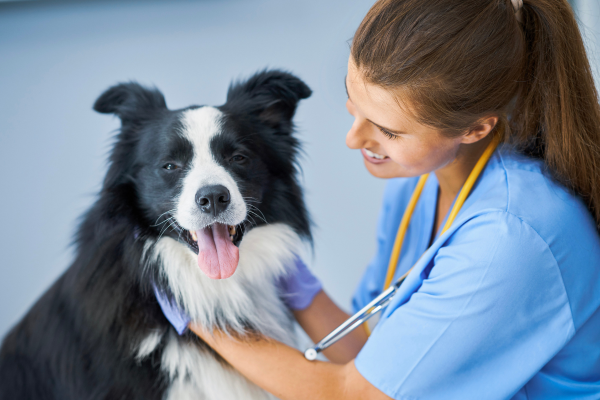
If you think mold might be dragging your pet down, don’t just switch their kibble and hope for the best. First step: get them to the vet. You’re not qualified to self-diagnose your dog unless you went to vet school and somehow ended up here reading a mold blog. The vet might suggest allergy testing or blood work. Mention the possibility of mold exposure. Don’t make them guess.
Next, your house needs investigation. That means sniffing around for mold like you just joined your dog’s crime-sniffing unit. Check behind furniture, around leaks, under sinks, and around HVAC vents. If you see spots or smell that funky earthy scent, don’t ignore it.
Surface mold? You can clean that up with proper safety gear and some real disinfectants. But if it goes deeper, inside walls, behind subflooring, in HVAC systems, you need professionals. This is where mold remediation comes in. Not the DIY “spray bleach and cross your fingers” attempt, but legit removal and containment. Trust me, your pet doesn’t want you playing scientist with things you can’t even pronounce.
When Remediation Is the Only Option
If you’ve been treating your dog for allergies for months, swapped diets, spent hours on grooming bills, and still watch them suffer, it might be time to consider the nuclear option. Getting mold fully removed by professionals is the only way forward when things get real.
Depending on the extent of infestation, remediation could involve tearing out walls, ripping up moldy ductwork, and using industrial air scrubbers. It’s not cheap. But neither is slowly ruining your pet’s health with unseen biological threats. Plus, remediation means your air quality improves too. You and your poor sidekick both benefit from a clean living space. Asthma symptoms lighten, weird skin rashes clear up, and suddenly everyone’s breathing easy again, including you.
Cleaning Habits for Mold-Resistant Pet Spaces
Let’s be honest, you love your pet but they’re not exactly clean freaks. Between drool, fur, and the occasional bathroom accident, they turn clean corners into mold playgrounds real fast. Being proactive is your saving grace.
Keep feeding areas clean and dry. Pick up uneaten wet food instead of letting it sit. Same goes for water spills. That invisible puddle by the bowl? That’s a mold starter pack. Rotate food bowls. Don’t use the same filthy dish for a week. Wash those things with hot water and soap daily. Yes, daily. If you wouldn’t eat off a bowl with crusty goop on it, your pet shouldn’t either.
Vacuum with a HEPA filter. Those kick mold spores straight out instead of swirling them up. Don’t use feather dusters or you’re just doing mold’s dirty work. Floor fans? Don’t aim them at moldy air vents. All you’re doing is blasting spores around like a PTA volunteer passing out cupcakes.
Air purifiers are also worth thinking about. Not the cute desk ones, but a unit with a HEPA filter made for actual spaces. They cut down airborne spores, pet dander, and allergens enough to make a difference, especially if your dog spends more time on the couch than you do.
Pets Are More at Risk Than You Think
People often underestimate how badly pets can be impacted by things like mold. Maybe it’s because dogs can’t say “My chest feels tight” or cats can’t write blog posts about their recurrent skin infections. But their bodies are absorbing and reacting to their environments, and given their smaller size, the ratios hit harder.
That’s why giving attention to pet mold health is more than just pet-parent guilt-tripping. It’s part of being a decent human to the little creatures who depend on you for everything. If they’re sick and you’re overwhelmed, maybe the issue is the home, not their behavior or age or breed.
Creating a Space They Can Thrive In
Your home should be a place for naps, zoomies, and tuna treats, not respiratory distress and mystery rashes. If you’re serious about furry friend protection, it starts with inspection. You won’t see every issue up front, and mold doesn’t always show its hand until it’s too late. That’s why regular mold inspections are the smartest thing you’re not doing.
Get professionals in, yes, like us, and figure out what you’re breathing. You might be surprised. And if there is mold in there, we’ll explain how you can clear it out properly so that you, your family, and your pets don’t have to worry about what’s floating in the air anymore.