
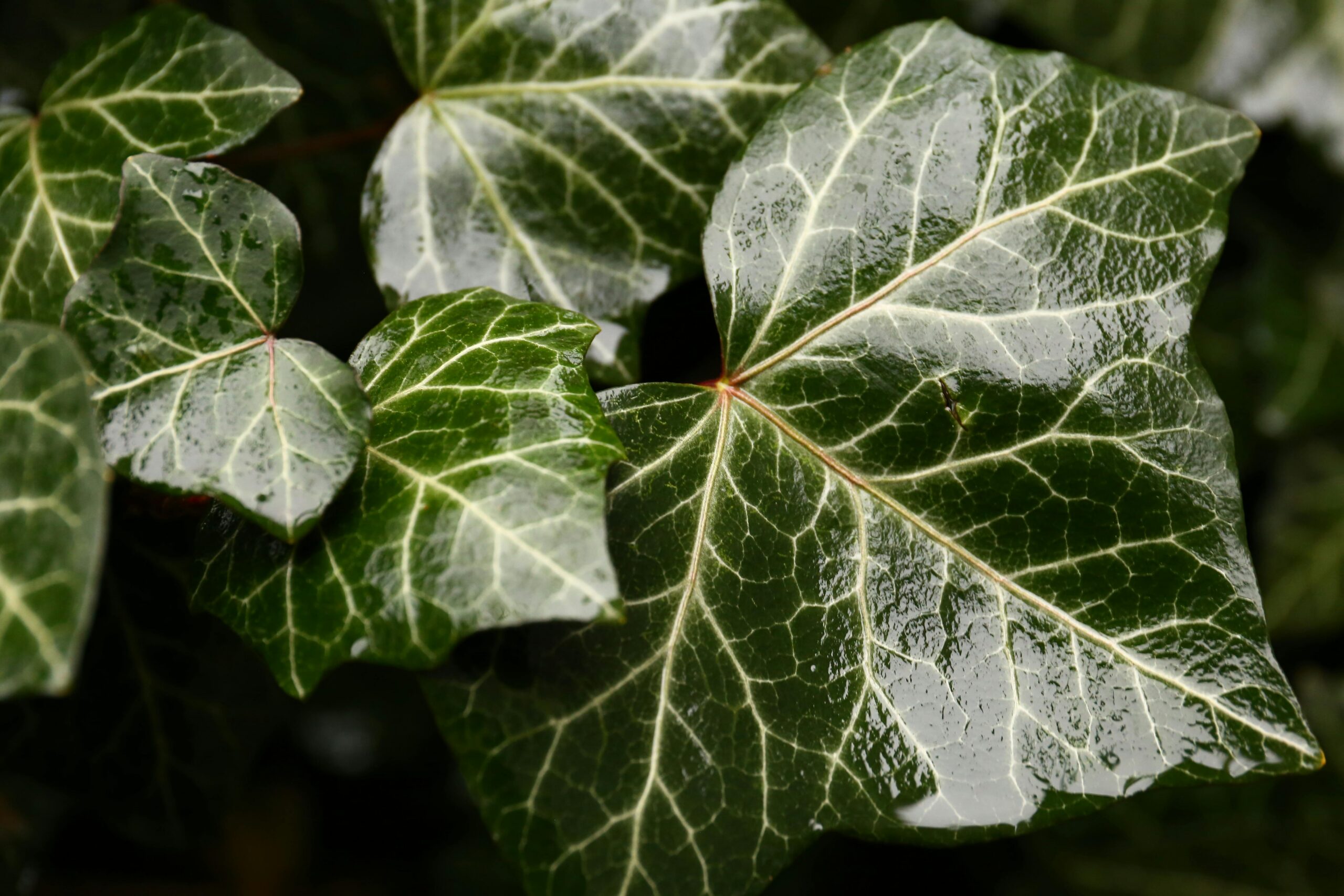
English ivy mold claims are everywhere online. You’ll see this plant recommended for cleaner air, allergy relief, and even mold control. But how much of that is actually true?
If you are dealing with mold or trying to prevent it, it’s important to understand what English ivy can and can’t do before relying on it. While it’s often included in lists of the best indoor plants for mold, its role is more supportive than most people expect.
Can English Ivy Remove Mold?
No, English ivy does not remove mold.
It won’t clean mold off walls, floors, or ceilings, and it doesn’t kill mold spores in a way that stops growth. If you already have visible mold or a strong musty smell, a plant isn’t going to fix the problem.
Mold is caused by excess moisture, and once it starts growing, it needs proper cleanup and moisture control. English ivy doesn’t address either of those directly.
English Ivy Mold Benefits: What It Actually Does
What English ivy can do is slightly improve indoor air quality.
Some studies suggest it can help reduce airborne particles, which may include dust, allergens, and small pollutants. This can make a space feel fresher, especially in enclosed or poorly ventilated rooms.
It may also play a small role in balancing humidity, but the effect is minimal. It’s not strong enough to noticeably reduce moisture in a damp space.
So while it contributes to a healthier environment overall, it doesn’t target mold at the source.
Why People Think English Ivy Helps With Mold
A lot of the confusion comes from older air quality studies, including NASA research that showed certain plants could help filter indoor air.
Over time, this got simplified online into “plants remove mold,” which isn’t accurate.
There’s also a mix-up between improving air quality and eliminating mold. They’re not the same thing. Mold grows on surfaces due to moisture, not just because of what’s floating in the air.
If you’re curious about how mold behaves in the air, understanding what mold spores look like and how they move can give more context.
When English Ivy Can Be Useful
English ivy can still be helpful in the right situations.
It works best as a preventative addition, not a solution. For example:
- In smaller rooms with decent airflow
- In spaces where you’re already managing humidity well
- After a mold issue has been professionally treated
In those cases, it can support overall air quality and help maintain a cleaner environment.
When It’s Not Enough
If you’re noticing:
- Visible mold on walls, floors, or ceilings
- A persistent musty smell
- Damp areas that don’t dry out
- Mold is spreading from one room to another
Then plants won’t solve the issue.
Mold spreads easily through airflow and surfaces, which is exactly how mold spreads between rooms if it’s not handled early.
If you suspect mold in your home, the safest step is a professional mold inspection to identify the source and prevent further spread.
Better Ways to Prevent Mold at Home
If your goal is to actually prevent mold, focus on moisture control first.
The most effective steps include:
- Using a dehumidifier in humid areas
- Improving ventilation in bathrooms and kitchens
- Fixing leaks quickly
- Keeping air circulating throughout your home
You can still include plants as part of your step-up, but they should support these actions, not replace them.
Should You Use English Ivy for Mold?
English ivy is a good addition to your home if you’re looking to improve air quality and create a healthier environment.
But it’s not a mold solution.
Use it alongside other strategies, or as part of a broader setup that includes some of the best indoor plants for mold, proper ventilation, and moisture control.
The truth about English ivy mold prevention is simple: it can support air quality, but it cannot remove active mold from your home.
If mold is already present, it’s always better to deal with it directly rather than hoping a plant will handle it for you.