
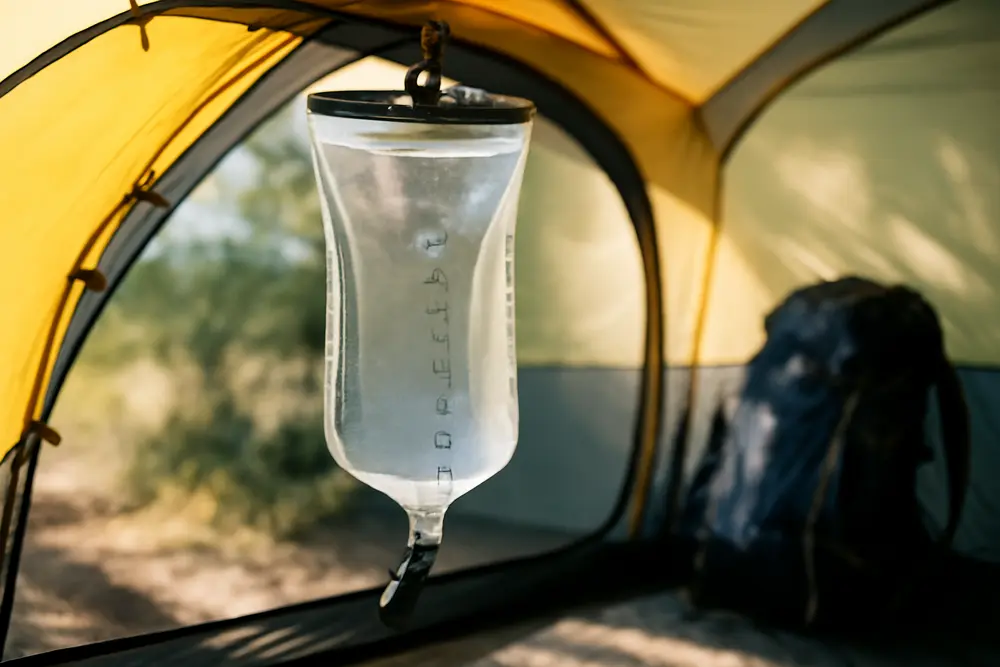
If you give mold warm water, free carbs, and a cozy tent, it moves in like a broke cousin and never leaves. Hydroponic gardens are basically Vegas for microbes: bright lights, endless drinks, and questionable decisions after dark. Good news: you can starve mold without turning your tent into a sterile sci-fi chamber. You just need tight humidity control, real airflow, grow tent condensate management, and ruthless hydroponic reservoir sanitation. Here’s how to keep your plants happy while telling mold to get a job and move out.
Why Mold Loves Grow Tents
Hydroponic tents offer every mold perk: moist air from transpiration, nutrient-rich films on surfaces, and temperature swings that make dew collect on walls like a cold beer can. Add a warm reservoir with low oxygen or a little light leak, and you’ve got algae, biofilm, and funky root trouble. Mold is not picky. It will colonize tent walls, zippers, lines, media, lids, and anywhere condensation or residue sits for more than a day.
Targets That Starve Mold
Plants have stage-specific humidity needs, while mold just wants it constantly clammy. Hit targets that give your plants the moisture they need but keep surface condensation off limits. That usually means higher RH early on and lower RH as you move toward flowering. Also aim for stable temperatures and a reservoir sweet spot that keeps oxygen high and slime low.
| Stage | Target RH | Notes |
|---|---|---|
| Seedlings/Clones | 70 to 80% | Use a dome or raise RH locally. Keep tent walls warm to prevent condensation. |
| Vegetative | 50 to 65% | Err toward the lower half if tents are small or dense. |
| Flowering | 40 to 50% | Lower in late flower to avoid bud rot, especially with dense canopies. |
| Dark Cycle | Keep swings tight | Limit temp drop at lights-off. Big drops trigger wall condensation. |
For general mold prevention, keeping RH under 60 percent is a hard line. Aim for 40 to 50 percent in flower and do not let night conditions drift higher. Track RH and temperature with at least one logger that records max and min, and stash it in the canopy, not on the floor where conditions are cooler and less honest.
Temperature goals are simple: steady beats perfect. Lights-off should not crash more than 5 to 7 degrees F below lights-on for the first couple hours. Sudden drops push warm moist air to dew on the tent skin. Reservoir temperature should run 65 to 70 F for most systems. That range gives you good dissolved oxygen and keeps anaerobic funk away. Above 75 F is asking for slime.
Airflow That Actually Works
Air exchange is not a box fan pointed at your plants like a wind tunnel. You want three layers of airflow: exhaust, intake, and internal circulation.
Exhaust near the top of the tent pulls out warm moist air where it pools. A carbon filter helps with odor and adds useful resistance that evens out flow. Passive or filtered intake near the bottom feeds cooler, drier air. Inside the tent, two or more small oscillating or clip fans should keep leaves gently fluttering. No hurricane blasts. You want even movement across all plant surfaces so moisture does not lay idle.
Sizing the exhaust fan is easy math. Tent volume in cubic feet is length x width x height. Exchange that volume every 1 to 3 minutes. A 4 x 4 x 6.5 foot tent is 104 cubic feet. A 150 to 200 CFM fan handles that with margin. If you run a carbon filter and long ducting, add 20 to 30 percent capacity. Negative pressure is your friend. The tent should tuck in a bit when the door is zipped. If it balloons, you are pumping humid air into your room, not out of it.
Grow Tent Condensate Management
Condensation is mold’s favorite delivery system. Control it, and you win. Ignore it, and the tent walls will breed fuzz by the next cycle.
Stabilize temperatures at lights-off. If your room is cold, pre-warm intake air for an hour before lights click off or keep the surrounding room conditioned. Some growers run the exhaust fan for the first hour of dark at a slightly higher speed to purge humid air before temps slide. Others run a dehumidifier outside the tent to dry the intake air. Either way, do not let tent skin get colder than the air inside.
Dehumidifiers can live inside or just outside the tent. Inside removes moisture fastest but adds heat. In small tents, a 20 to 30 pint per day unit is fine. In mid to large rooms or in sticky basements, step up to a larger capacity unit and drain it continuously. Aim the dehumidifier to pull air across the canopy, not to short-cycle against a wall.
Fix obvious drip points. Slope trays toward a drain. Empty saucers and catch pans after every feed. Wipe tent walls and poles if you ever see visible moisture linger. Protect electrical cords with drip loops so water cannot run into outlets. Keep reservoirs shaded from direct light to avoid sweaty lids and algae blooms.
Hydroponic Reservoir Sanitation
Hydroponic reservoir sanitation is the difference between crisp white roots and the horror film where your air stone blows bubbles through brown soup. You need control of temperature, oxygen, light, and contact surfaces.
Keep the reservoir at 65 to 70 F. Use a chiller for hot rooms or a small aquarium heater if your room runs cold at night. Insulate or elevate the reservoir off concrete floors. Use opaque, lidded containers. Any light leak grows algae which then feeds biofilm and steals oxygen. Aerate with an air pump and quality stones or a venturi. Clean or replace stones regularly. Top off with fresh water between changes, then replace the full solution at least weekly to bi-weekly depending on plant size and EC drift.
Do not pour in random kitchen chemistry to sterilize the nutrient soup mid-grow. If you run a sterile approach, use a product designed for hydro and follow the label. If you run beneficials, keep your reservoir clean, well-oxygenated, and shaded so the good guys are not fighting uphill.
Lines, filters, and fittings matter as much as the tank. Drip emitters clog with biofilm first. Inline screens catch grit but become petri dishes if ignored. Flush lines with a sanitizer between crops, then rinse thoroughly. Replace cheap vinyl tubing once it clouds or kinks. Inspect pump impellers and housings for slime. If it looks shiny and slippery, it is stealing oxygen and inviting trouble.
Media And Hardware Hygiene
Grow media either helps you or haunts you. Inert media like expanded clay pebbles and perlite can be re-used if you sanitize properly. Coco and organic blends can be re-used by pros who pasteurize and re-buffer, but for most hobby tents it is safer to replace after a run. The price of fresh media is cheaper than a wrecked cycle from hidden pathogens.
For clay pebbles: knock off root debris, rinse hard, then soak in a cleaning solution. A common routine is 3 percent hydrogen peroxide diluted 1 part peroxide to 3 parts water for 20 to 30 minutes, then rinse until there is no odor and let them dry. Perlite can be rinsed and soaked briefly, but it crumbles with aggressive scrubbing, so be gentle. Net pots, lids, and trays should be scrubbed with a soft brush to remove films, then sanitized and fully dried.
Between Grows: Plant-Safe Cleaning
Between cycles is where you win the next one. Empty the tent, toss plant debris, pop off every removable piece, and get to work. Cleaning has two steps: physical removal of gunk, then sanitizing. You cannot sanitize dirt. Scrub first, sanitize second.
Good options for plant-safe sanitizing:
Hydrogen peroxide 3 percent works well. Use it straight for stubborn biofilm on plastic and silicone, or dilute 1 part peroxide to 3 parts water for routine sanitation. Give it at least 10 minutes of contact, then rinse with clean water and air-dry. It breaks down into oxygen and water, which is why plants do not protest when every droplet is rinsed away.
Unscented household bleach can be used at low concentrations that sanitize without leaving a toxic legacy. Mix 2 teaspoons of 5 to 6 percent bleach per gallon of water. That yields a food-contact style sanitizing solution. Wet surfaces for 5 minutes, then rinse thoroughly and let everything dry completely. Store-bought no-rinse quats and weird fragrance bombs are not your friend around roots or leaves. Keep it simple.
Let gear dry hard. Sunlight is a free sanitizer for non-UV-sensitive items, and a dry tent is a hostile place for mold spores looking to start a family. Leave the door open and fans on for a day after cleaning.
Early Signs And Fast Fixes
Catching mold pressure early beats trying to fix a tent that smells like a locker room. Your nose is a free sensor: musty, earthy, or mushroomy means go hunting. Look for slick films on reservoirs, fuzzy spots on tent seams and zippers, darkening on media, or leaves that always seem wet at lights-on.
If you see condensation on tent walls at lights-off, reduce the temperature drop or dehumidify during the first hours of dark. If algae shows up in the reservoir, your lid leaked light or your water is too warm. If roots start to brown and smell sweet-rotten, increase aeration, drop the reservoir temperature, and consider a full change with sanitized lines. If a single pot or rockwool block grows fuzz, isolate it, clean the area, and increase air movement to that zone.
Monitoring That Keeps You Honest
Use at least one hygrometer-thermometer with max-min memory. Better yet, run a sensor that logs RH and temperature so you can see the nightly spike. Keep a separate thermometer for the reservoir, and check it when lights go off and again before lights come on. A cheap TDS-EC meter tells you if the solution is drifting faster than expected, which hints at microbial activity. Take five seconds to write numbers down. Trends expose problems before your leaves tattle.
Airflow Tricks For Dense Canopies
Prune for airflow, not just for looks. Lollipopping lowers leaf density near the media surface where humidity is sky-high. Spread plants to avoid leaf-on-leaf contact that traps moisture. If a big cola shades three neighbors, tie it back or run a second internal fan under the canopy. Stagnant corners are where mildew throws parties.
Water Quality And Top-Off Habits
If you are topping off daily, use clean water that will not feed biofilms. Many municipal supplies use chloramine, which does not gas off like chlorine. A carbon block filter handles both, and filtered water tends to keep reservoirs calmer. Top off with plain water to target level, then adjust nutrients, not the other way around. Splashing concentrated nutrients on lids and lines makes sticky stripes mold can colonize.
When The Building Is The Problem
Sometimes the tent is dialed but the room is a swamp. Basements with bare concrete walls, garages with cold slabs, or small apartments that already struggle with humidity will fight you daily. If your tent RH will not budge even with strong exhaust and a dehumidifier, the surrounding space likely needs work. Seal and insulate cold surfaces, condition the room air, and fix any building leaks. If you smell mold outside the tent or see growth on drywall, you are feeding spores to your grow every time you unzip. That is when a building inspection and targeted remediation makes more sense than buying a third dehumidifier.
FAQ
How often should I change my reservoir?
Most home systems thrive on a weekly full change. Smaller plants can stretch to 10 to 14 days if EC and pH are steady and temps are 65 to 70 F. Top off with fresh water between changes and sanitize lines between crops.
Is a UV sterilizer worth it?
Inline UV can help keep recirculating systems cleaner, but it is not a get-out-of-cleaning card. You still need lid covers, correct temps, and regular hydroponic reservoir sanitation. UV is a supplement, not a substitute.
Can I sanitize with vinegar?
Vinegar smells clean but is not a reliable sanitizer for hydro gear. It is weak against the biofilms that actually mess you up. Use peroxide or a food-contact bleach solution, then rinse.
Why does humidity spike when lights go off?
Plants keep transpiring for a while after lights drop, and air temperature falls faster than the tent skin warms back up. That combo pushes the air to its dew point and makes condensation. Run exhaust and dehumidification during the first hour of dark and limit temperature swings.
What should reservoir lids be made of?
Opaque plastic with a tight fit. Line the edges, eliminate holes that leak light, and cover any inspection ports. If you can see your hand shadow in the tank, algae will see your nutrients.
Is mold in a grow tent dangerous to me?
Some molds release allergens and irritants that can hit your eyes and lungs, especially in small unventilated rooms. If you smell musty air or see visible growth on tent fabric or the room walls, gear up with proper PPE, clean thoroughly, and fix the moisture source. If growth extends outside the tent or returns quickly, call a pro to assess the space.
Pre-Flight Checklist
Before you start the next run, give yourself the unfair advantage mold hates:
- Clean, sanitize, and fully dry the tent, trays, lids, lines, filters, and stones.
- Set environmental targets by stage, and program fans or controllers to hold steady at lights-off.
- Verify exhaust sizing and negative pressure. Place internal fans for full-canopy movement.
- Install or service a dehumidifier and drain it continuously so it never fills and quits.
- Insulate or elevate the reservoir, shade it completely, and confirm 65 to 70 F with aeration.
- Stage sensors for canopy RH/temp and reservoir temp. Log min and max daily.
- Prune and space plants to avoid leaf-on-leaf and dark, still pockets.
- Remove all standing water daily and wipe any condensation you see.
Keep your tent dry, your reservoir clean, and your airflow honest, and mold will hate your garden. Which is perfect, because your plants will love it.