
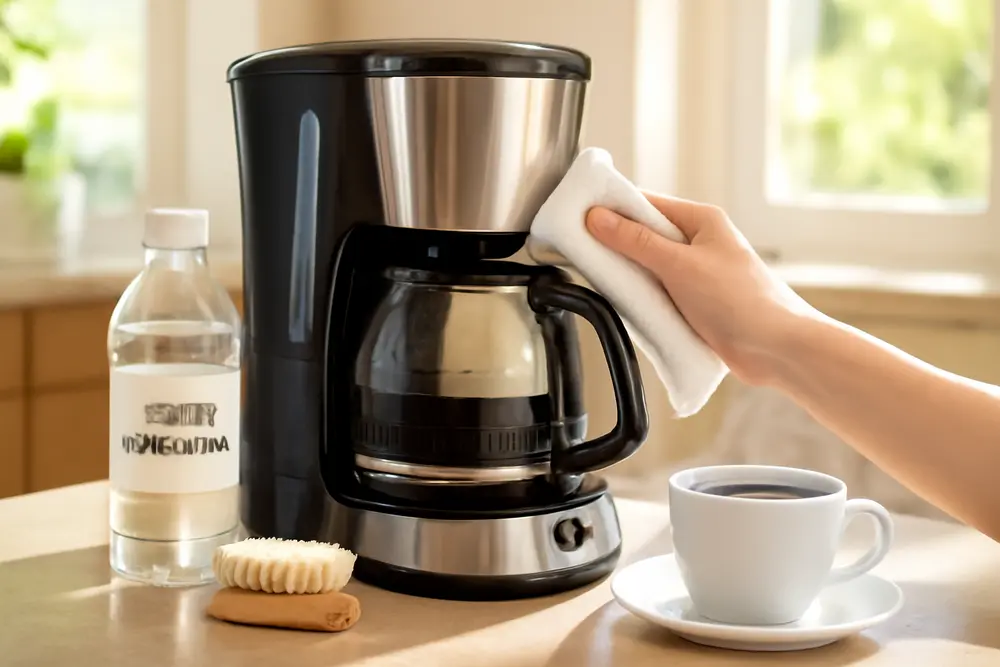
If your morning latte tastes like a basement smells, congratulations, your coffee maker just went microbial. Warm water reservoirs and snug drip trays are a mold paradise, and coffee oils are basically an all-you-can-eat buffet. The good news is coffee maker mold prevention is simple once you know where mold hides, how to deep clean Keurig, Nespresso, and espresso rigs without wrecking them, and how to set a quick routine that keeps your machine brewing clean and tasting right.
Why Mold Loves Coffee Makers
Any space that is warm, moist, and dark is a mold magnet. Your brewer’s water tank traps moisture under a lid, the drip tray collects splashes and silt, and the used-pod chamber or portafilter can hold nutrient-rich residue. Add in minerals from water and the fatty acids from coffee oils and you have perfect conditions for growth. We see the same thing in homes wherever moisture gets trapped in a closed space, like under sink cabinets or inside HVAC pans, so the rule applies to appliances too (Howard Environmental: Causes of Mold).
Beyond the ick factor, mold and biofilm affect flavor and can aggravate allergies or asthma for sensitive people. Even if you are not sensitive, you will taste the damage. Bitter, musty, stale notes are a dead giveaway your machine needs attention.
How Do You Spot Mold Early?
You do not need a microscope. Start with your senses. Pop the lid on the reservoir and look for a slimy ring, specks on the plastic, or cloudiness in standing water. Pull the drip tray and check for fuzzy dots or slick buildup. Pod machines can hide residue along the puncture needles and the pod chamber. Espresso users should check the shower screen, group gasket, and especially the steam wand tip, where milk proteins build up fast. Your nose is a great early detector too: a musty or wet-cardboard smell is a classic mold clue (Howard Environmental: What Mold Smells Like).
If you smell or see anything off, stop brewing and switch to cleaning mode. If you are only suspicious because the coffee flavor has gone weird or shots are inconsistent, treat that as a yellow light and do a full maintenance cycle before it becomes a red alert.
Deep Clean For Keurig And Pod Machines
Pod brewers are basically tidy little water parks with tubing that likes to hold moisture. Here is how to clean them without voiding warranties or destroying seals.
Unplug the machine and let it cool. Remove the water tank, lid, drip tray, pod holder, and any removable funnel pieces. Wash all these parts in hot water with fragrance-free dish soap, then rinse thoroughly. For stubborn film, a bottle brush is your friend, especially for tank corners and drip tray channels. Let parts air-dry completely while you clean the body.
Clean the pod chamber and puncture needles carefully. Most manufacturers give you a little tool to clear the needles, but a straightened paper clip used gently does the job. Wipe the chamber with a damp cloth and a tiny bit of soap, then wipe again with plain water to remove residue. Do not get aggressive here. Those needles are sharp and they do not negotiate.
Descale on schedule. Mineral scale traps moisture and makes surfaces rough, which is perfect for biofilm to anchor. Nespresso recommends descaling every 3 months or about 300 capsules, whichever comes first, and that timing is a great benchmark for other pod machines too (Good Housekeeping: Clean and Descale Nespresso). Use the manufacturer’s official solution and the machine’s descaling mode. Avoid vinegar in Nespresso machines, since it can damage internal parts and seals, and it can leave lingering taste you will regret (Southern Living: How to Clean a Nespresso).
After descaling, run multiple tanks of plain water through the machine to flush out cleaner and loosened gunk. Wipe the exterior, dry everything you washed, and reassemble. If you found visible mold, add one extra step: let the clean tank, lid, and drip tray air-dry fully with good airflow before you put them back. A warm, wet tank is mold’s Airbnb.
Espresso Machine Cleaning That Works
Espresso setups bake in more places for mold to hide: group head, portafilter, baskets, steam wand, water tank, and internal lines. The good news is espresso machine cleaning is simple when you make it routine and use the right cleaners.
After every session, knock out the puck, rinse the portafilter and baskets with hot water, and dry them so oils do not congeal. Flush a few seconds of water through the group to clear coffee fines and keep the shower screen from turning into a petri dish. Wipe the drip tray and leave it cracked open so it can dry.
The steam wand deserves top billing. Purge it before and after steaming milk, wipe it immediately with a damp bar towel, and keep a small pitcher of warm water nearby to soak the tip if milk dries on. Dried milk proteins plus warmth equals a microbial buffet. Deep clean the wand tip weekly by removing it and soaking it in warm water with a milk-cleaning solution that your manufacturer recommends. Espresso pros do this daily for a reason.
Backflushing is your machine’s spa day. If your machine has a three-way solenoid valve, use a blind basket with an espresso detergent like Cafiza and run short backflush cycles as your manufacturer specifies. This clears coffee oils and biofilm from the group and valve. Rinse thoroughly by backflushing again with plain water. If your machine is not designed for backflushing, do not improvise. Follow the manual.
Descale on a schedule that matches your water hardness and usage. For many home machines, that is every 2 to 3 months, but verified cleaners and frequencies vary by brand. Use the descaling product your manufacturer recommends rather than kitchen shortcuts, since acids like vinegar can harm aluminum boilers and gaskets and they can ruin taste. Good Housekeeping’s espresso-care advice is a solid reference for daily, weekly, and monthly cleaning touchpoints (Good Housekeeping: Clean a Breville Espresso Machine).
If you ever see mold inside the water tank, lines, or around the group gasket, pause your latte art career and deep clean before pulling another shot. Replace inline water filters if you have them, scrub the tank and lid, and run a full cleaning cycle. If mold appears to be inside the boiler or persistent inside hoses, schedule a professional service. Internal disassembly at home can get expensive fast if a gasket does not reseat correctly.
Set A Quick Routine You’ll Actually Do
Coffee maker mold prevention is about tiny habits done consistently. Daily, drain standing water and let things breathe. Weekly, wash what touches water. Monthly, blast the lines clean. That rhythm keeps biofilm from ever setting up camp and it keeps flavor where it belongs.
Water And Storage Habits That Work
Your water choice can sabotage or supercharge cleanliness. Filtered water reduces mineral scale that traps moisture and helps biofilm hang on, and it usually tastes better too. Many coffee pros use a pitcher filter or under-sink filter to land in the sweet spot of low mineral content without going fully distilled. Pure distilled water is discouraged by some manufacturers because sensors rely on a bit of conductivity and because it can taste flat, so check your manual. Tech reviewers echo the filtered-water tip for better-tasting brews and easier maintenance (TechRadar: Nespresso Tips).
If you will not use the machine for a day or two, empty the tank, open the lid, and leave removable parts to dry. Drip trays and used-pod bins should not be tiny swamps. When storing the machine for more than a week, wash and dry all removable parts, run a rinse cycle, drain whatever you can, and leave the tank off the base so air can circulate. If you are traveling or packing it away, empty everything first, then let it sit open overnight to dry thoroughly. Consumer cleaning guides consistently recommend empty tanks and airflow to control odor and growth during downtime (Today: How to Clean Nespresso).
Sample Routine You Can Copy
If you like seeing it mapped out, here is a simple schedule that keeps both pod and espresso machines clean without turning you into a full-time barista janitor.
| Task | Keurig or Nespresso | Espresso Machine |
|---|---|---|
| After Each Use | Empty drip tray if wet, open tank lid to vent, remove used pod, run a quick water-only brew if you used flavored pods. | Knock out puck, rinse and dry portafilter and baskets, flush group a few seconds, purge and wipe steam wand. |
| Every 2-3 Days | Wash drip tray and pod holder, wipe pod chamber and needles gently. | Wipe drip tray and case, brush group area, soak steam tip if milk dried on. |
| Weekly | Wash tank and lid with hot soapy water and dry fully. | Wash tank and lid, remove and clean shower screen if your model allows, soak baskets in espresso cleaner. |
| Monthly | Descale if heavy use or hard water, otherwise every 3 months or ~300 pods. | Backflush with espresso detergent if machine supports it, descale per manufacturer and water hardness. |
| Any Time You See Mold | Full disassembly and wash of removable parts, descale and multiple rinse cycles, dry parts fully before reassembly. | Same as left, plus replace water filter if present and consider professional service if growth is inside lines. |
Tools And Cleaners Worth Having
You do not need a chemistry lab. A small caddy covers everything. Keep a set of bottle brushes for tanks and tubes, a soft toothbrush for gaskets and screens, microfiber cloths for wiping, and lint-free bar towels for the steam wand. For cleaners, grab the descaling solution recommended by your machine’s maker, an espresso detergent like Cafiza for backflushing and soaking baskets, and a milk-system cleaner for steam wands. Cotton swabs help with seams and pod-chamber corners. A paper clip clears needles on pod machines in a pinch.
Avoid bleach and gritty abrasives on anything that touches water or coffee. Strong perfumes can stick to plastic and hijack your cup. If the manual says no vinegar, listen. Nespresso specifically warns against vinegar in many models, so stick with their solution or a compatible alternative that your manual approves (Southern Living).
When Should You Call A Pro?
If you deep clean and the musty taste is back in a week, if you can see mold inside lines that you cannot access, or if anyone in your household is immunocompromised, get help. For machine internals, that means an authorized service tech who can safely open, clean, and reseal the guts. If you are battling mold in the kitchen more broadly, or your home’s humidity is high enough that everything feels damp, bring in an inspection to find the moisture source and fix it for good (Howard Environmental: Moisture Causes).
FAQ: Quick Answers
Is Coffee Maker Mold Dangerous?
Mold and biofilm in brew paths are not part of a balanced breakfast. For most healthy people, the bigger hit is nasty flavor and potential stomach irritation, but for folks with allergies, asthma, or weakened immune systems, exposure can be more serious. If you see growth, stop brewing, clean thoroughly, and switch to good maintenance habits.
Can I Use Vinegar In A Nespresso?
Skip it. Many Nespresso manuals caution against vinegar because it can damage seals and internal metal, and it can leave a lingering smell and taste. Use the official descaling solution and the machine’s descaling mode instead (Good Housekeeping, Southern Living).
How Often Should I Descale A Keurig Or Nespresso?
Every 3 months works for most users, or around 300 pods. If your water is very hard or you brew multiple times a day, move that up. Descaling clears mineral scale that traps moisture and encourages biofilm, so it is a core part of coffee maker mold prevention (Good Housekeeping).
Do Coffee Oils Feed Mold?
Yes. Coffee oils and fine particles stick to surfaces and give microbes something to grab and eat. Rinsing, backflushing, and occasional detergent soaks keep oils from turning into residue that invites growth, especially around the group head and portafilter on espresso gear.
What Water Should I Use?
Use filtered water with low to moderate minerals. It slows scale buildup without flattening taste. Distilled can confuse sensors in some machines and make the cup taste lifeless. Check your manual for approved water types and aim for consistency to keep cleaning predictable (TechRadar).
Can I Put Coffee Maker Parts In The Dishwasher?
Sometimes. Many water tanks and drip trays are top-rack safe, but not all. Heat can warp thin plastics and cloud clear reservoirs. When in doubt, hand-wash with hot soapy water and air-dry. Your machine’s manual will call out what is dishwasher safe so you do not turn a tank into a modern art project.
Putting It All Together
Your machine wants three things: dry surfaces between uses, clean lines on a schedule, and water that does not leave a mineral mountain behind. If you wash the parts that touch water weekly, descale quarterly, and let everything breathe daily, mold does not stand a chance. That is coffee maker mold prevention in plain English. Keep your steam wand purged, your group head brushed, your pod chamber clear, and your tank lid cracked to vent, and you will taste the difference tomorrow morning.
If you are new to this, set a calendar reminder for a monthly clean and a quarterly descale, keep a small caddy of brushes and cleaners next to your beans, and make drying the reservoir part of your shutdown routine. Your future self will thank you with crema.